How a Striker Fired Pistol Works €“ Step by Step
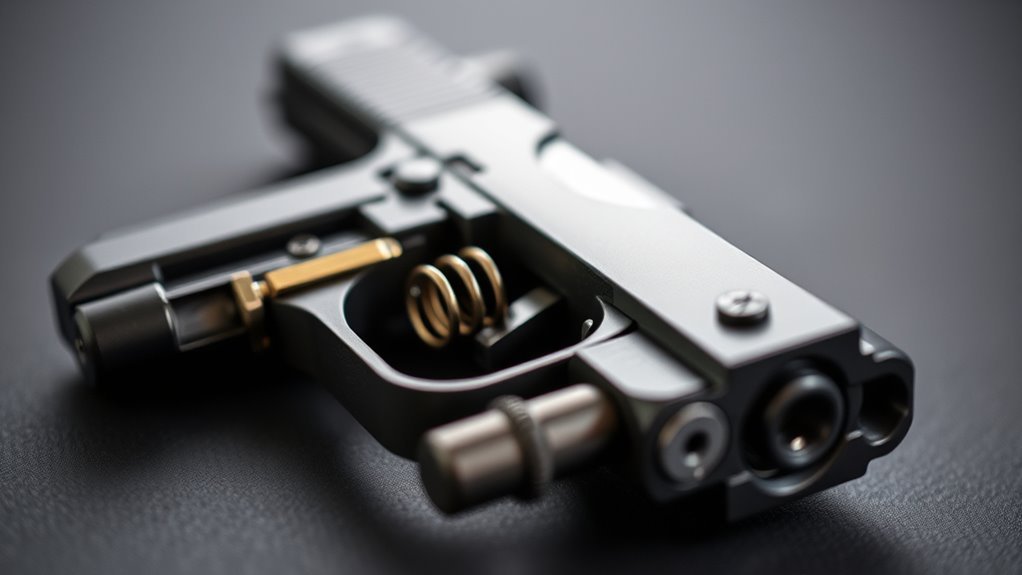
To operate a striker-fired pistol, you start by racking the slide. This action compresses the striker spring and partially cocks the firing pin, setting the pistol up for the next shot.
When you pull the trigger, it releases the sear, freeing the striker to hit the primer and ignite the round.
After firing, the slide cycles back, ejecting the spent cartridge.
At the same time, it resets the striker for the next shot. This simple, reliable design makes the pistol easy to use.
There’s actually a lot more to discover about its efficient features that contribute to its popularity among shooters.
Key Takeaways
- Racking the slide compresses the striker spring and partially cocks the firing pin, getting the pistol ready to fire.
- When you pull the trigger, it disengages the sear, which releases the striker to start the firing process.
- The striker then drives the firing pin into the primer, which ignites the gunpowder and sends the bullet flying through the barrel.
- After the shot, the slide moves back, ejecting the spent cartridge and resetting the striker so you’re ready for the next round.
- This design uses fewer parts and sealed mechanisms, which helps keep things reliable and durable.
- Plus, it offers a consistent trigger pull that many shooters appreciate.
How a Striker-Fired Pistol Mechanism Works, Step by Step
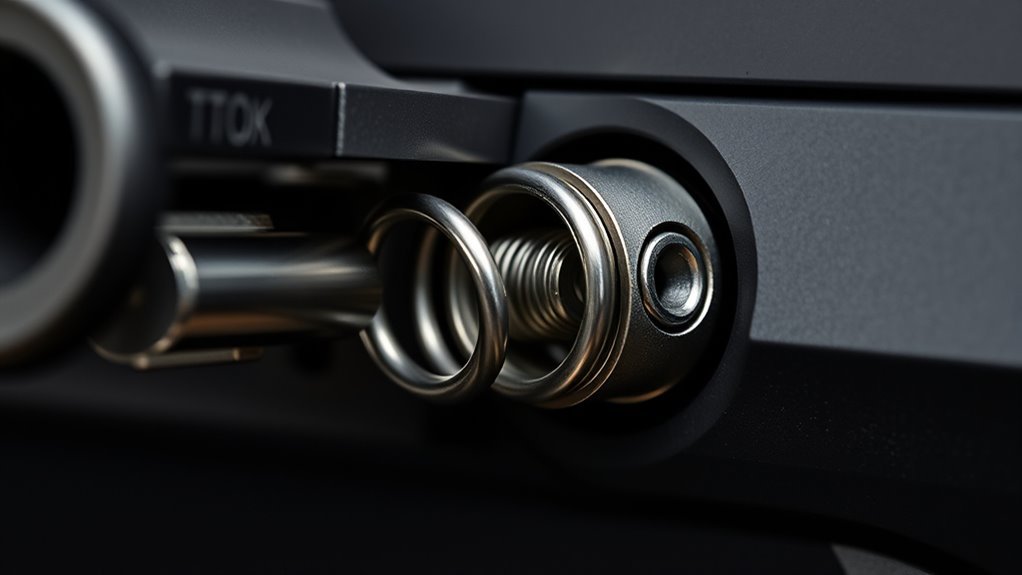
When you rack the slide on a striker-fired pistol, it compresses the striker spring and partially cocks the firing pin, setting the pistol up for firing. This action prepares the cocked striker under spring tension, ready for the firing sequence.
When you pull the trigger, the trigger release disengages the sear, freeing the striker to move forward rapidly. The striker then propels the firing pin toward the primer of the cartridge.
This primer strike ignites the primer, which in turn ignites the gunpowder, propelling the bullet through the barrel. After the shot, the slide cycles back, ejecting the spent cartridge and resetting the striker by recompressing the spring.
This striker-fired mechanism efficiently combines these steps for reliable, consistent operation. It’s a smooth process that helps keep everything working as it should.
Design Features That Make Striker-Fired Pistols Reliable and Easy to Use
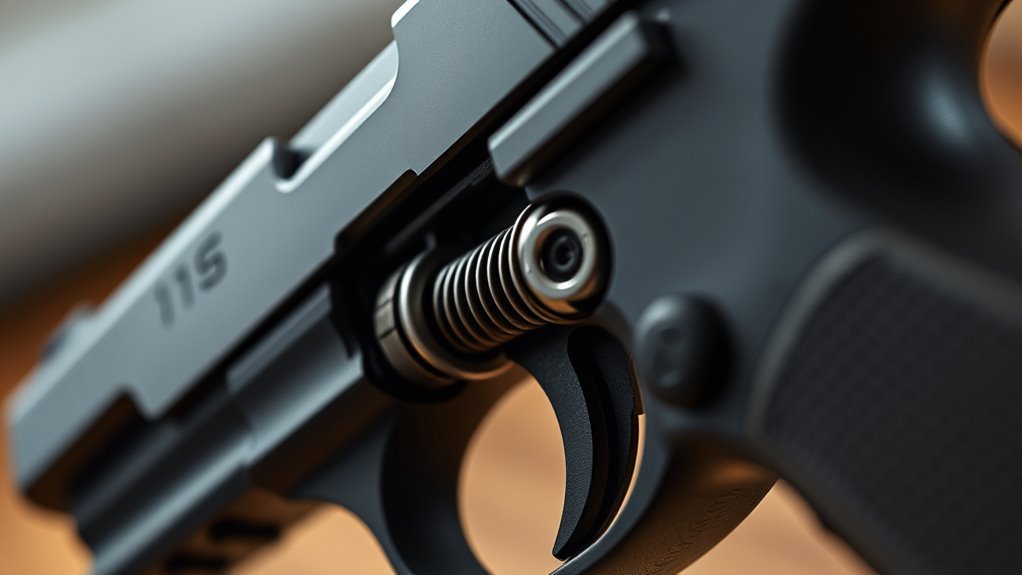
Although striker-fired pistols look simple, their design includes key features that boost reliability and ease of use. You’ll appreciate the streamlined design with fewer parts, which reduces malfunctions and eases maintenance.
The consistent trigger pull ensures reliable operation by providing predictable firing with every shot. Their sealed internal mechanism guards against dirt and debris, enhancing durability and performance in tough conditions.
Plus, the low-profile, snag-resistant design improves concealment and quick draw. It’s these thoughtful touches that make striker-fired pistols both dependable and user-friendly.
| Feature | Benefit | Impact |
|---|---|---|
| Simplified Design | Fewer parts | Less maintenance, reliable |
| Consistent Trigger | Predictable pull | Reliable operation |
| Sealed Mechanism | Dirt resistance | Durability |
| Low-profile Design | No external hammer | Snag-resistant, easy use |
Frequently Asked Questions
Can You Explain How a Striker-Fired Pistol Works?
You cock the striker by racking the slide or pulling the trigger, then pressing the trigger releases it. The striker hits the primer, igniting the powder and firing the bullet, while the slide resets for your next shot.
How to Operate a Striker Fired Pistol?
Think of your striker-fired pistol as a silent guardian. You grip firmly, disengage safety, gently press the trigger to release power, then let the slide reset it. Always unload safely, keeping control and awareness in every move.
What Are the Downsides of Using a Striker-Fired Pistol?
You’ll find striker-fired pistols have less crisp triggers, making precision tougher. They lack external hammers, so you can’t easily tell if they’re ready to fire, and accidental discharges are a bigger risk without added safeties.
Are Striker-Fired Pistols Good for Beginners?
You’ll find striker-fired pistols great for beginners because they offer consistent trigger pulls and fewer parts to worry about. Plus, their snag-free design makes handling easier, so you can focus on improving your shooting skills safely.
Conclusion
Now, imagine holding your striker-fired pistol—smooth, sleek, ready. With each pull of the trigger, you feel the crisp, precise movement as the striker springs forward, igniting the firing pin’s dance.
It’s a seamless rhythm, designed for reliability and ease, making every shot confident and controlled. This simple yet brilliant mechanism puts power in your hands, so you’re always prepared.
Whether on the range or in the moment that counts, a striker-fired pistol offers consistent performance. Its smooth trigger pull and straightforward design make it a favorite for both beginners and experienced shooters alike.
In short, the striker-fired pistol combines safety, speed, and simplicity. Understanding how it works helps you appreciate why it’s such a dependable choice when precision and readiness matter most.