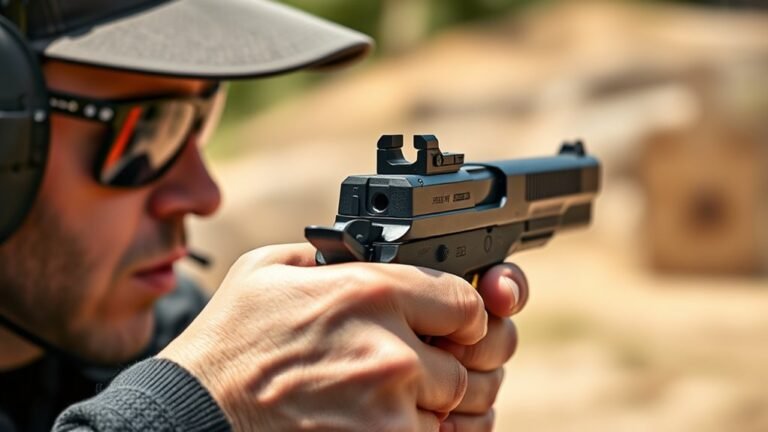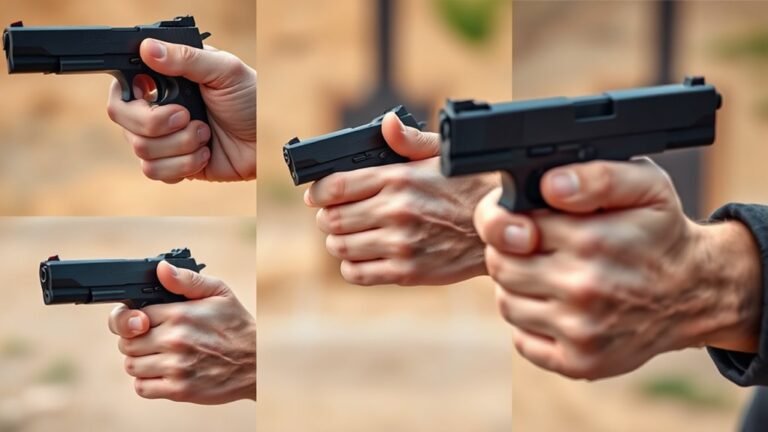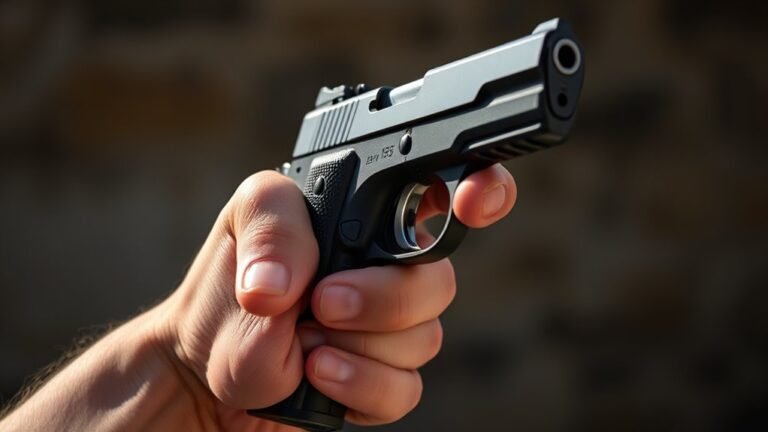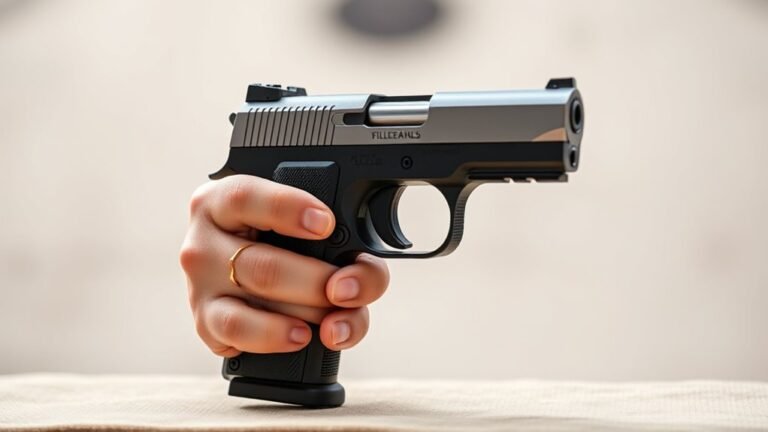
What Is Considered a Short Barrel Rifle?
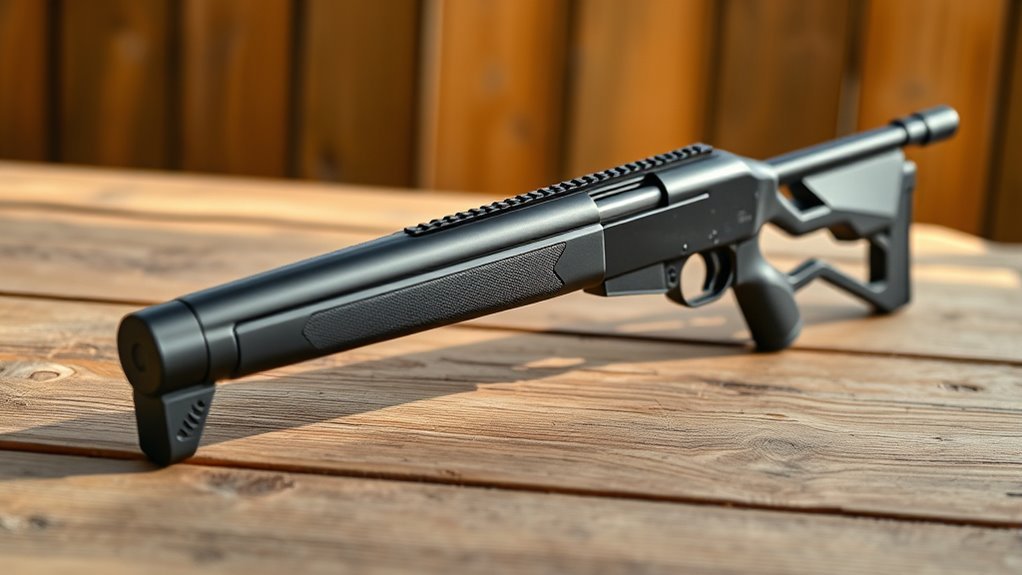
You own a short barrel rifle if your firearm’s barrel is under 16 inches or its overall length is less than 26 inches, including any attached muzzle devices. These measurements are key to understanding what counts as a short barrel rifle.
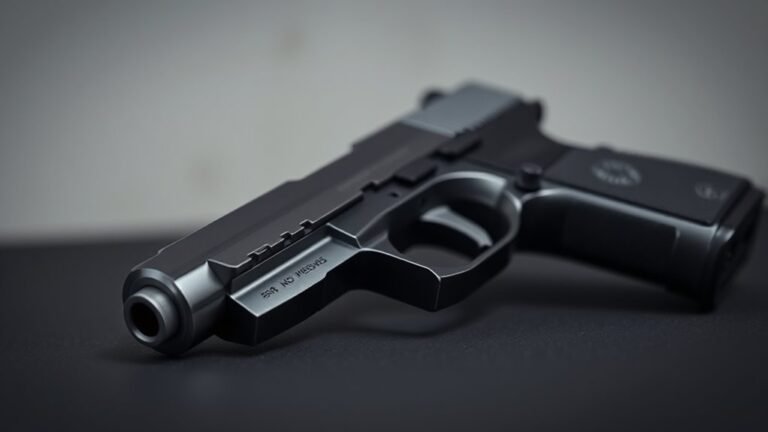
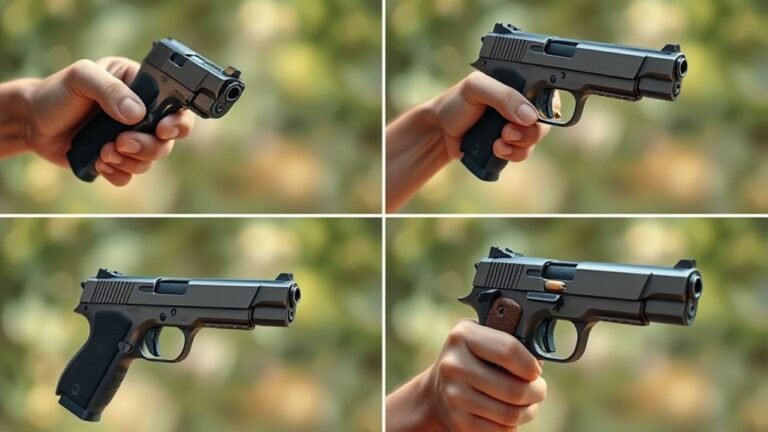
Also, if you attach a stock to a handgun with a short barrel, it’s classified as an SBR. Federal law requires you to register it with the ATF, pay a tax, and follow strict rules.
Knowing these basics helps you stay compliant and avoid legal issues.
So, if you’re handling a firearm that fits these criteria, make sure you understand the regulations to keep everything above board.
Definition and Legal Criteria of a Short Barrel Rifle
What exactly makes a rifle a Short Barrel Rifle (SBR)? According to the ATF, an SBR is defined by a barrel length under 16 inches or an overall length less than 26 inches.
The barrel length includes any permanently attached muzzle device, measured from the muzzle to the breech face. For example, a rifle with a 14-inch barrel plus a 2-inch muzzle device may still qualify as an SBR if it falls below the overall length threshold.
The legal definition also covers rifles created by attaching a stock to a handgun with a short barrel. Under the NFA, these firearms face strict regulation.
Before ownership, you must get ATF approval and pay a $200 tax stamp. Understanding this legal framework is essential for compliant SBR ownership.
Regulatory Requirements and Ownership Considerations
Although owning a short barrel rifle (SBR) can offer unique advantages, you must navigate strict federal regulations before possession. Under federal laws and ATF regulations, an SBR is classified as a rifle with a barrel under 16 inches or an overall length below 26 inches.
To ensure legal ownership, you’ll complete the NFA registration process by submitting ATF Form 1 or Form 4, paying a $200 tax stamp, and passing thorough background checks, fingerprinting, and photo submission. Keep in mind, ownership restrictions vary by state—some prohibit SBRs entirely.
Understanding firearm classification and adhering to both federal laws and state-specific rules is essential. Without proper registration and documentation, you risk violating NFA regulations and losing legal ownership of your short barrel rifle.
Conclusion
Understanding what defines a short barrel rifle is essential if you want to stay on the right side of the law. Remember, owning one comes with specific regulatory requirements you can’t afford to overlook.
It’s better to be safe than sorry—knowing the rules upfront helps you avoid legal troubles down the road. So, keep your facts straight and handle your firearm responsibly.
Because when it comes to regulations about short barrel rifles, ignorance isn’t bliss. Knowing exactly what counts as a short barrel rifle ensures you comply with the law and avoid penalties. Stay informed and always follow the legal guidelines to keep your ownership safe and secure.