Is Dry Firing a Pistol Bad?
You can dry fire your modern pistol safely as long as you follow the manufacturer’s guidelines and confirm your specific model allows it.
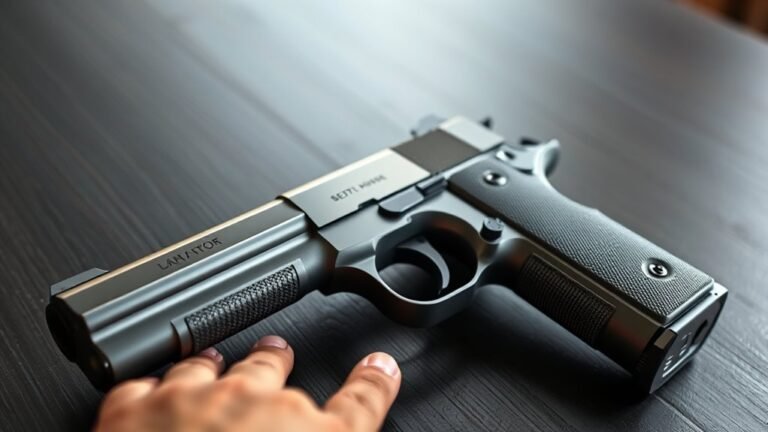
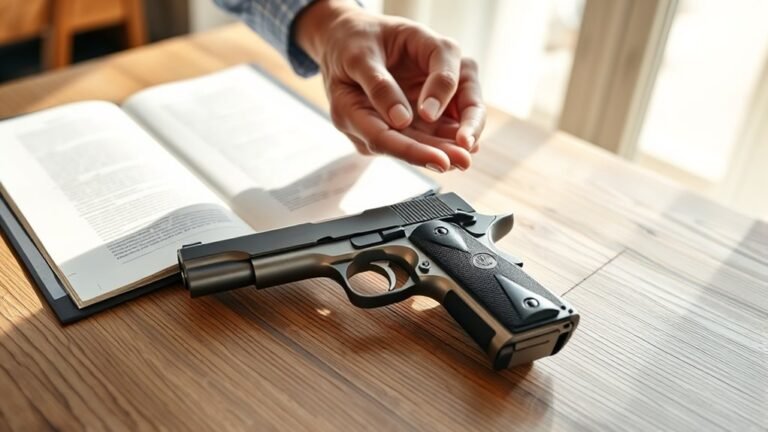
Dry firing a pistol isn’t inherently bad, but it’s important to know the right way to do it. Always make sure your pistol is unloaded and point it in a safe direction.
Using snap caps is a smart way to protect your firing pin and other delicate parts from damage caused by repeated dry firing. These small accessories help absorb the impact and keep your firearm in good shape.
Taking these precautions helps keep your pistol in good condition.
So, if you want to practice without live ammo, dry firing can be a great tool. Just be sure to keep safety first and protect your firearm.
Keep exploring how to protect your firearm effectively during practice.
Key Takeaways
- Dry firing modern pistols is generally safe when following the manufacturer’s guidelines and ensuring the firearm is unloaded.
- Many manufacturers, like Glock and Smith & Wesson, explicitly approve dry firing their recent pistol models.
- Using snap caps during dry firing protects the firing pin and prevents internal wear or damage.
- Repeated dry firing without protection can cause micro-damage such as dents, cracks, or peening on internal parts.
- Always verify safety measures with the pistol’s manual and practice dry firing in a safe direction.
It’s always better to be cautious, right? Just make sure you’re following the rules and keeping things safe while you practice.
Is Dry Firing Safe for Modern Pistols?
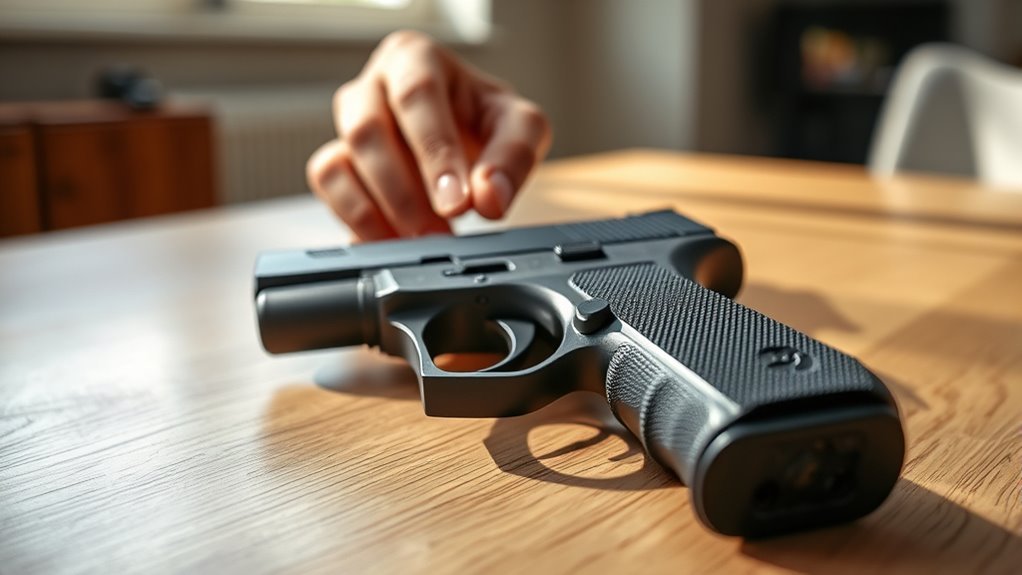
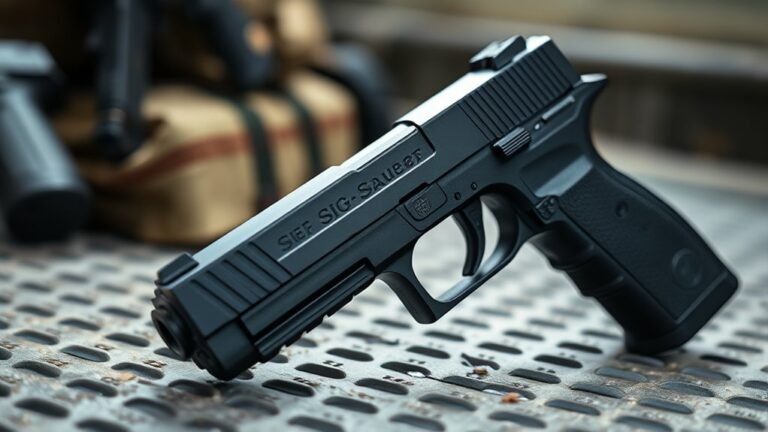
Although some shooters worry about damaging their firearms, dry firing is generally safe for most modern pistols when you follow the manufacturer’s guidelines. Many manufacturers, like Glock and Smith & Wesson, explicitly approve dry firing their recent models, reassuring gun owners that it won’t harm internal components.
To practice safely, always verify your pistol is unloaded and pointed in a safe direction before dry firing. While dry firing alone is usually fine, using snap caps can help protect the firing pin from unnecessary wear.
Checking your specific pistol’s manual confirms whether dry firing is safe for your model. By sticking to these safety steps and manufacturer recommendations, you can confidently incorporate dry firing into your training without risking damage to your modern pistol.
How Snap Caps Protect Your Pistol During Dry Fire
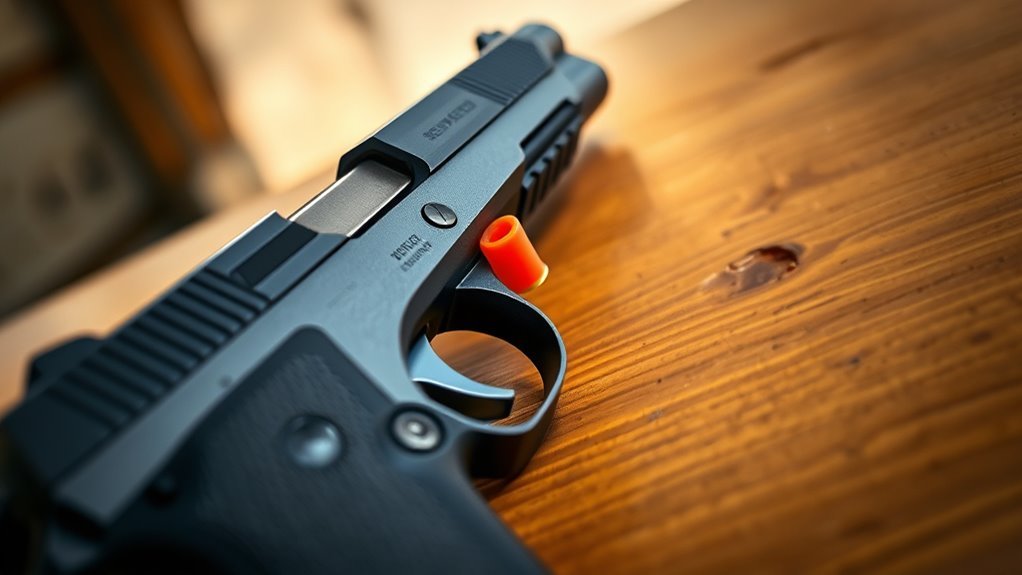
How exactly do snap caps protect your pistol during dry firing? Snap caps are specially designed dummy rounds that absorb the firing pin impact, preventing damage during dry fire practice.
When you use snap caps, they mimic the size and weight of live ammunition, allowing realistic trigger pulls while safeguarding sensitive components like the firing pin and extractor.
Without snap caps, repeated dry firing can cause wear and micro-damage, including peening, dents, or cracks on the firing pin or breech face.
Incorporating snap caps into your routine ensures damage prevention, maintaining safe operation and helping extend the lifespan of your pistol.
Frequently Asked Questions
Is It Bad to Dry Fire a 1911?
It’s generally not bad to dry fire a 1911, especially modern ones, but you should use snap caps to protect the firing pin. Always check your model’s guidelines to avoid potential damage.
Can You Dry Fire a Pistol Too Much?
You can dry fire a pistol too much, like pushing a marathon runner beyond their limit. Overdoing it wears down parts, so use snap caps and rest your firearm to keep it in top shape and ready to perform.
What Pistol Should You Not Dry Fire?
You shouldn’t dry fire older revolvers or vintage pistols with fragile firing pins. Avoid it with some European models or any gun your manufacturer warns about. Always use snap caps to protect sensitive internal parts.
Does Dry Firing Improve Aim?
Yes, dry firing improves your aim by letting you practice sight alignment and trigger control without recoil. It builds muscle memory, enhances trigger reset, and helps you focus on your sight picture, leading to better accuracy.
Conclusion
Dry firing your pistol isn’t the villain it’s often made out to be, especially with modern guns built to handle it. You can safely practice trigger control and sight alignment without live rounds.
Just remember, snap caps act like a soft landing for your firing pin, protecting your pistol from unnecessary wear. So, treat dry firing like a dance rehearsal—no bullets, but plenty of moves to perfect your shot before the real show.
In fact, dry firing is a valuable training tool that helps improve your shooting skills without the cost or noise of live ammunition. When done correctly, it’s safe for most pistols and can enhance your trigger control, sight alignment, and overall accuracy. Just be sure to use snap caps to avoid damaging your firing pin. Dry firing your pistol is not bad—it’s smart practice that prepares you for real shooting scenarios, making it an essential part of safe and effective firearms training.