10 Calibers That Use Small Pistol Primers
You’ll find small pistol primers in many popular calibers, including 9mm Luger, .38 Special, .357 Magnum, .45 GAP, and 5.7x28mm. These primers are essential because they ignite the powder, making sure your shot fires reliably every time.
Lesser-known rounds like the 9mm Makarov, 7.62x25mm Tokarev, .32 S&W Long, and .25 ACP also depend on these small pistol primers.
Using the right primer isn’t just about functionality—it’s about safety and getting consistent performance from your firearm.
Wondering why primer choice matters so much? Or how picking the right one can boost your shooting accuracy? There’s a lot more to explore when it comes to primers, so let’s dive in and learn why these tiny components play such a big role.
Key Takeaways
- Common calibers using small pistol primers include 9mm Luger, .38 Special, .357 Magnum, .45 GAP, and 5.7x28mm. These are pretty popular choices among handgun shooters.
- Lesser-known calibers with small pistol primers are 9mm Makarov, 7.62x25mm Tokarev, .32 S&W Long, and .25 ACP. They might not be as common, but they still rely on the same primer type.
- Small pistol primers typically measure around 0.175 inches in diameter. That size fits many popular and niche handgun cases, making them quite versatile.
- Magnum small pistol primers provide hotter ignition for high-pressure or heavy loads in compatible calibers. So, if you’re loading for power, these are the primers to consider.
- Specialized calibers like wildcats and 6.35mm Browning (25 ACP) also commonly use small pistol primers. They help ensure reliable performance, even in less standard rounds.
What Is a Small Pistol Primer and Why It Matters
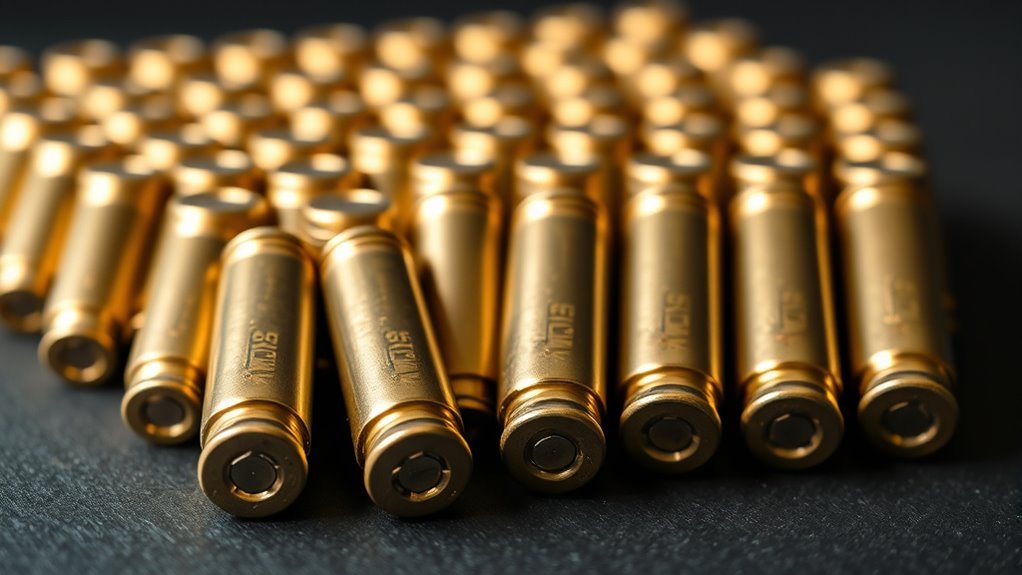
A small pistol primer is a tiny but essential component that ignites the powder in certain handgun cartridges. Measuring 0.175 inches in diameter, small pistol primers contain a priming compound that fires when struck by your gun’s firing pin, setting off the powder charge.
You’ll find these primers in popular calibers like 9mm, .38 Special, .357 Magnum, and .40 S&W. Choosing the right small pistol primers is vital because they guarantee reliable ignition and consistent velocities every time you shoot.
Using the correct primer type not only improves your handgun’s performance but also keeps your shooting safe. So, when you’re reloading or selecting ammunition, pay close attention to small pistol primers to get the best results.
How Primer Size Determines Caliber Compatibility
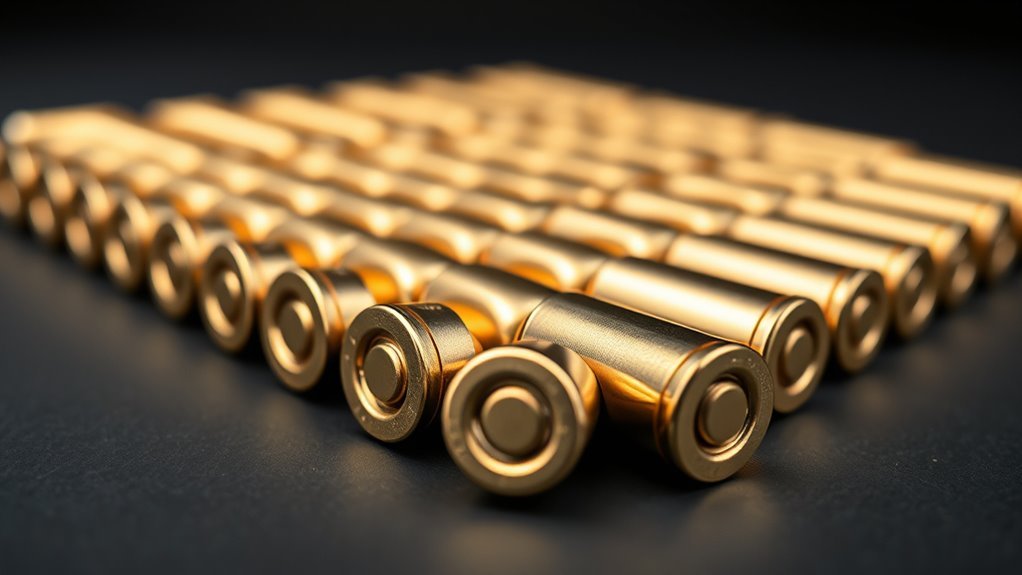
Understanding primer size is key to making sure your ammunition works safely and reliably. Primer size directly affects caliber compatibility because it depends on the diameter of the primer pocket in the cartridge case—not the overall case size.
Here’s how primer size determines compatibility:
- The primer pocket diameter has to match the primer size exactly. For example, small pistol primers fit pockets that measure about 0.175 inches.
- Calibers like 9mm and .38 Special use small pistol primers because their cases have pockets designed for that size.
- Since case designs can vary, you can’t just guess primer size based on caliber alone. It’s always best to check the case specifications for the primer pocket diameter.
3 Popular Calibers That Use Small Pistol Primers
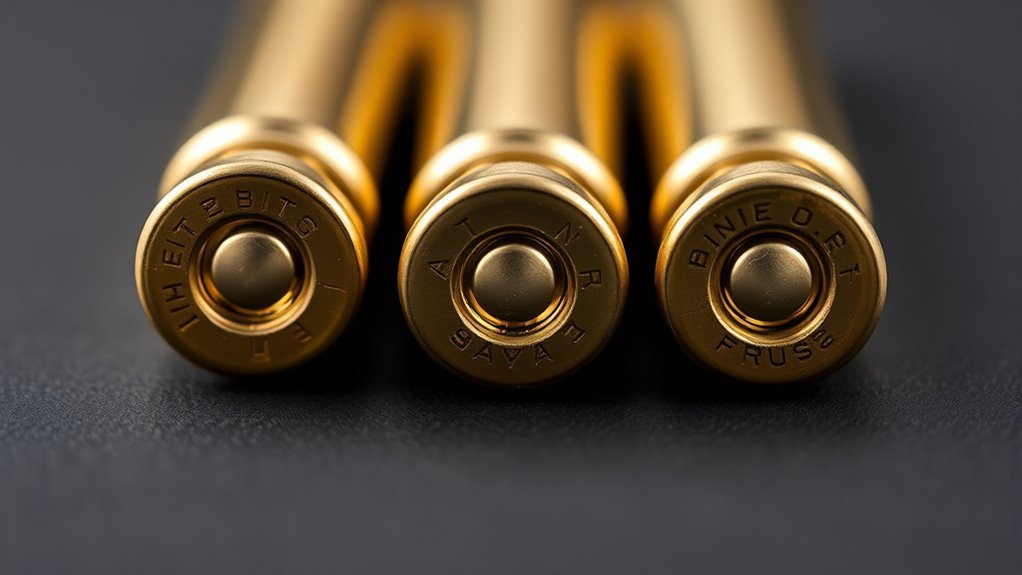
You’ll find that 9mm, .38 Special, and .357 Magnum are the most common calibers using small pistol primers. Choosing the right primer size is essential for safe, reliable ignition and consistent performance.
Make sure you match your load to the correct primer to keep your firearm functioning smoothly. It really makes a difference in how well everything runs.
Common Small Pistol Calibers
Although many calibers exist, several popular small pistol rounds consistently use small pistol primers to guarantee reliable ignition. Knowing which calibers require these primers helps you choose the right components for your reloads or purchases.
Here are three common small pistol calibers that use small pistol primers:
- 9mm Luger – This widely used cartridge relies on small pistol primers due to its case dimensions. It’s favored for self-defense and sport shooting.
- .38 Special – Popular in revolvers, it typically uses small pistol primers. However, primer choice may vary with load and firearm design.
- .357 Magnum – Sharing case dimensions with the .38 Special, it also uses small pistol primers. This ensures consistent ignition under higher pressures.
Using the correct small pistol primers ensures safe and reliable performance across these calibers. It’s a small detail that makes a big difference when shooting.
Primer Size Importance
When choosing primers for your reloads, matching the primer size to the cartridge’s primer pocket is vital to guarantee reliable ignition and safety. Using the correct primer size ensures consistent firing and prevents misfires or dangerous pressure issues.
Small pistol primers, typically 0.175 inches in diameter, fit cartridges like 9mm, .38 Special, and .357 Magnum perfectly.
Here’s a quick reference:
| Caliber | Primer Size |
|---|---|
| 9mm | Small Pistol (0.175″) |
| .38 Special | Small Pistol (0.175″) |
| .357 Magnum | Small Pistol (0.175″) |
Always confirm the primer pocket size before selecting primers. Using a small pistol primer in a large pocket can compromise safety and performance, so double-check before you load up.
Load Compatibility Tips
Matching the right primer size to your cartridge sets the stage for safe and reliable reloads. When working with popular calibers like 9mm, .38 Special, .357 Magnum, or the .45 GAP, ensuring load compatibility means sticking to small pistol primers as recommended.
To optimize your reloads, consider these tips:
- Always verify the primer pocket size on your brass and use primers specified by the manufacturer to avoid misfires or pressure issues.
- Consult reliable reloading manuals for load data tailored to small pistol primers, especially when handling less common calibers like the 5.7x28mm.
- Avoid mixing primer types, as using large pistol primers in small pistol primer pockets compromises ignition and can be dangerous.
Following these guidelines enhances performance and maintains safety during your reloading process. It’s all about keeping things safe and effective!
Why .38 Special and .357 Magnum Use Small Pistol Primers
Because the .38 Special and .357 Magnum cartridges have specific case dimensions, they use small pistol primers to guarantee reliable ignition and consistent performance. Their primer pockets fit small primers, typically 0.175 inches in diameter, which assure proper ignition with lower pressure loads.
Using a small primer reduces primer flow and misfires, enhancing safety and reliability. Also, it standardizes reloading components across similar calibers, simplifying manufacturing and reloading.
Industry standards back this choice, so you can trust the consistency.
| Caliber | Primer Size (inches) | Purpose |
|---|---|---|
| .38 Special | 0.175 | Reliable ignition, low pressure |
| .357 Magnum | 0.175 | Consistent performance |
| Other Pistol | 0.210 or larger | Higher pressure loads |
| Rifle | Larger primers | Higher energy ignition |
| Shotgun | Large primers | Specialized ignition |
How Small Pistol Primers Power the 9mm Luger and .40 S&W
Small pistol primers play a vital role in powering cartridges like the 9mm Luger and .40 S&W, thanks to their case dimensions that accommodate primer pockets about 0.175 inches in diameter. You’ll find that small pistol primers provide the perfect ignition for these calibers, matching their moderate pressure needs.
Small pistol primers are essential for igniting calibers like 9mm Luger and .40 S&W with precision.
Here’s why small pistol primers are indispensable for the 9mm Luger and .40 S&W:
- They deliver reliable ignition for powders generating pressures around 35,000 psi.
- Their size ensures proper primer seating, which supports consistent firing and safety.
- They align with the cartridges’ case dimensions to prevent over-pressurizing the primer cup.
Lesser-Known Calibers That Use Small Pistol Primers
Although they don’t get as much attention as popular calibers, several lesser-known handgun cartridges rely on small pistol primers due to their case dimensions and pressure requirements. You’ll find calibers like the 9mm Makarov and 7.62x25mm Tokarev use small pistol primers because their cases accommodate these primers perfectly.
The .32 S&W Long and .25 ACP also depend on small pistol primers due to smaller case sizes and primer pockets. Even the .380 ACP, designed for moderate pressure loads, uses small pistol primers to guarantee reliable ignition.
Specialty rounds such as the 6.35mm Browning (25 ACP) fit this category as well. Additionally, some wildcat or custom cartridges maintain small primer pockets, so if you reload, you’ll often encounter small pistol primers in these niche calibers.
Choosing Magnum Small Pistol Primers for Powerful Loads
When you’re loading powerful handgun cartridges, choosing magnum small pistol primers can make a significant difference in ignition reliability. These primers deliver a hotter, more dependable spark, especially useful for high-pressure or heavy loads in calibers like 9mm, .38 Special, and .357 Magnum.
Here’s why you should consider them:
- Magnum small pistol primers have a thicker cup and more energetic compound, reducing the chance of misfires.
- They improve ignition for slower burning powders and heavier bullets, ensuring consistent performance.
- Following reloading manual guidelines is essential to prevent overpressure while using these primers.
Using the right primer can really help your reloads perform better. Just make sure to double-check your load data so everything stays safe and smooth.
Safety Tips for Reloading With Small Pistol Primers
Because primers contain sensitive explosive compounds, you need to handle small pistol primers with care to avoid accidental ignition. Always verify your reloading manual specifies small pistol primers for your caliber.
Store primers in a cool, dry place away from heat, sparks, and static electricity. When seating primers, use the correct depth to prevent crimping or misfires.
| Safety Tip | Reason |
|---|---|
| Confirm primer type | Ensures proper ignition and safety |
| Avoid heat and static | Prevents accidental primer ignition |
| Store in cool, dry place | Maintains primer stability and effectiveness |
Following manufacturer load data precisely helps you avoid overpressure or misfires. That way, your reloads stay safe and reliable every time.
How Small Pistol Primer Choice Affects Performance
Selecting the right small pistol primer plays a crucial role in your ammunition’s performance, as it directly influences ignition consistency and sensitivity. The priming compound inside the primer affects how reliably and quickly your powder ignites, impacting overall shooting results.
Choosing the right small pistol primer ensures consistent ignition and enhances your ammunition’s overall performance.
Here’s how primer choice affects performance:
- Ignition Delay: Different priming compounds and cup hardness can speed up or slow ignition, altering accuracy and velocity consistency.
- Reliability: A primer not matched to your load or firearm may cause misfires or inconsistent ignition, especially with softer cups or weaker compounds.
- Uniformity: Proper primers ensure consistent powder burn, leading to predictable velocities and better shot-to-shot performance.
Choosing the right small pistol primer means balancing these factors for safer, more accurate, and dependable shooting. It’s all about finding what works best for your setup.
Common Mistakes to Avoid When Using Small Pistol Primers
You need to make sure the primer size matches your case to avoid misfires or damage. Don’t substitute small rifle or magnum primers for small pistol primers, as their ignition compounds differ and can create safety risks.
Always stick to the recommended primer type to keep your loads consistent and safe. It really helps keep everything running smoothly without any unexpected problems.
Primer Size Mismatch
How do you know if the primer you’re using matches your cartridge? Primer size mismatch is a common and dangerous mistake to avoid.
Using a small pistol primer where a large pistol primer is required can lead to misfires, delayed ignition, or even excessive pressure causing case rupture. To prevent this, always:
- Check your cartridge or reloading manual for the specified primer size.
- Never substitute small pistol primers for large pistol primers, especially in high-pressure rounds like .45 ACP or .44 Magnum.
- Inspect the primer pocket to ensure it fits the primer size perfectly to maintain consistent and safe ignition.
Matching the correct primer size is essential for safety and reliability when reloading or shooting. Don’t risk primer size mismatch—it’s key to consistent performance.
Ignition Compound Differences
Although small pistol primers work well for lower-pressure handgun cartridges, using them outside their intended range can cause ignition problems and safety risks. The ignition compound in small pistol primers is specifically formulated for pistol calibers, making it sensitive enough for those lower pressures.
If you use these primers in high-pressure rifle loads, the ignition compound may not ignite reliably, leading to misfires or delayed firing. Plus, some small pistol primers have softer cups and different priming mixtures that can pierce or blow out under rifle pressures.
Understanding these ignition compound differences helps you avoid common mistakes, like using pistol primers in rifle cartridges, which can compromise both safety and performance. So, always match primers to the cartridge’s pressure and design to ensure consistent, safe ignition.
Unsafe Primer Substitutions
Mistakes with primer substitutions often stem from overlooking the specific design and pressure requirements that small pistol primers meet. Using a small rifle primer instead of a small pistol primer is a common unsafe primer substitution that can cause overpressure and damage due to thicker cups and stronger ignition.
To avoid dangerous errors, never swap primers without checking compatibility and load data. Ignoring this risks misfires or primer piercing.
Also, avoid using primers not designed for sensitive pistol loads to prevent primer blowouts and slam fires.
Always consult reloading manuals and verify specifications before substituting primers. This helps guarantee safe pressure levels and keeps everything running smoothly.
Frequently Asked Questions
What Are Small Pistol Primers Used For?
Small pistol primers ignite the gunpowder in handgun cartridges, ensuring reliable firing. You’ll use them in moderate-pressure loads, helping your firearm fire consistently and accurately, especially in semi-automatic pistols and revolvers.
Can I Use Small Rifle Primers in Place of Small Pistol Primers?
You shouldn’t use small rifle primers instead of small pistol primers. They’re thicker and designed for higher pressures, risking misfires or pierced primers in pistols. Always follow safety guidelines to avoid dangerous reloads.
What Are the Best Small Pistol Primers?
You’ll find CCI, Federal, and Winchester primers top-rated, with CCI boasting over 99% reliable ignition in tests. They deliver consistent performance, so you’ll get dependable starts for your reloads every time with these trusted brands.
Can I Use Small Pistol Magnum Primers in 38 Special?
You can use small pistol magnum primers in 38 Special, but you must adjust your load carefully. Magnum primers create higher pressure, so consult reliable manuals and proceed cautiously to avoid unsafe pressures and guarantee proper ignition.
Conclusion
When you hold a small pistol primer in your hand, imagine the tiny spark it creates, igniting a chain reaction that propels your bullet forward with precision.
Choosing the right primer is like tuning an instrument—it guarantees your caliber performs smoothly and safely. By understanding these small components, you’re not just reloading—you’re mastering the art of controlled power.
Turning every shot into a confident, calculated strike takes care and attention. Handle them carefully, and your shooting will sing. Small pistol primers might be tiny, but their role in calibers that use them is huge. Knowing how to work with these primers ensures your ammunition functions reliably and your shooting experience stays on point.