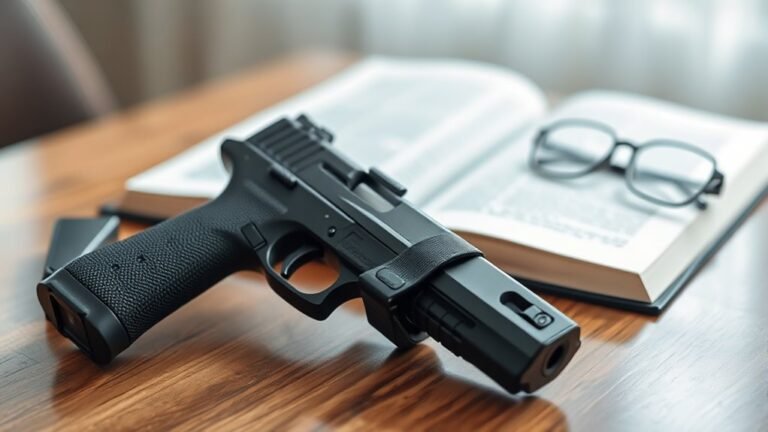
Which Following True Features Identify a Pistol Bore
You’ll identify a pistol bore by its smooth or rifled interior, which directly affects bullet stability and accuracy. Rifled bores have spiral grooves that spin the bullet for better precision, while smooth bores lack these grooves and offer less control.
Rifling also leaves unique marks on bullets, aiding forensic experts in linking shots to specific firearms. Understanding these features is key to grasping how barrel design shapes performance and ballistic analysis.
Knowing these details reveals much more about pistol functionality and helps you appreciate why bore type matters in shooting and investigations. It’s pretty fascinating how something inside the barrel can impact so much!
Key Takeaways
- A pistol bore can be either smooth or rifled, with rifling consisting of helical grooves inside the barrel. Rifled pistol bores impart spin to bullets, enhancing stability and accuracy during flight.
- Smooth bores lack grooves and generally result in less precise shot placement. Rifling marks on bullets from a rifled bore assist forensic experts in firearm identification.
- Barrel design, including bore type, directly influences the pistol’s shooting performance and accuracy. So, the kind of bore really matters when it comes to how well a pistol shoots.
What Is a Pistol Bore? Understanding Barrel Design and Rifling
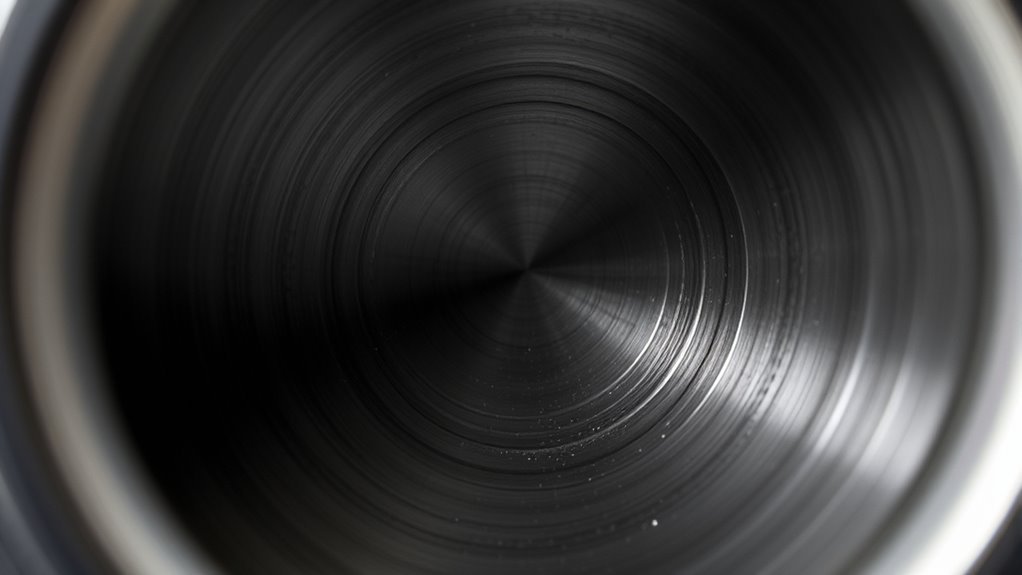
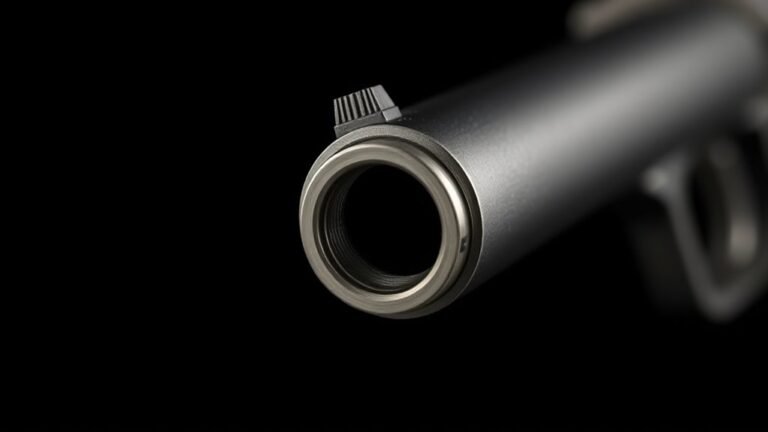
Although you might not see it at first glance, the pistol bore—the interior of the barrel—is vital to how your pistol performs. The barrel design determines whether the bore is smooth or rifled.
Most modern pistols feature rifled bores, which contain helical grooves called rifling. These grooves impart spin to the bullet, stabilizing its flight and enhancing accuracy.
Unlike rifles with heavily rifled bores for long-range precision, pistols usually have less pronounced rifling tailored for their shorter effective range. A smooth bore lacks these grooves, resulting in less stability and accuracy.
Understanding the pistol bore’s structure helps you appreciate how rifling directly influences bullet stability and overall shooting performance. In short, the pistol bore’s design is fundamental for controlling accuracy and the effectiveness of your firearm.
How Pistol Bore Types Affect Accuracy and Forensic Identification

When you fire a pistol, the type of bore inside the barrel directly impacts both how accurate your shot will be and how easily forensic experts can link the bullet to a specific firearm. Rifled bores, common in modern pistols, spin the bullet for better bullet stabilization and accuracy.
This rifling also leaves unique grooves, which really help forensic identification through ballistic analysis. Smooth bores, on the other hand, lack these grooves. That means they reduce accuracy and make forensic matching much more complicated.
Understanding barrel design helps you grasp the trade-offs between bore types. It’s pretty important if you want to know how different pistols perform and how they’re analyzed after firing.
| Bore Type | Accuracy | Forensic Identification |
|---|---|---|
| Rifled Bore | High | Reliable (unique tool marks) |
| Smooth Bore | Lower | Limited (no rifling marks) |
| Barrel Design | Impacts bullet stabilization | Influences ballistic analysis |
Frequently Asked Questions
Which of the Following Is True if a Pistol Bore?
You’ll find a pistol bore has internal rifling—helical grooves inside the barrel—that spins the bullet for better accuracy. It doesn’t use wads or chokes like shotguns, focusing solely on stabilizing your shot.
What Is a Bore in a Pistol?
Think of a pistol bore as the barrel’s silent path where your bullet races home. It’s the hollow inside guiding your shot, often rifled to spin the bullet, making your aim sharper and more reliable every time you fire.
What Are the Primary Characteristics Used to Determine the Bore Diameter of a Firearm?
You determine the bore diameter by measuring the distance between lands or grooves inside the barrel, often land-to-land or groove-to-groove. You can also check caliber markings on the firearm for direct bore size information.
Is a Pistol Bore Rifled?
Yes, a pistol bore is usually rifled. You’ll find helical grooves inside that spin the bullet, improving accuracy and stability. While some antique or specialty pistols might have smooth bores, rifling’s the standard feature today.
Conclusion
When you grasp what a pistol bore really is, you reveal the secret heartbeat of your firearm. Its unique grooves and twists aren’t just metal—they’re a fingerprint, carving accuracy into every shot and whispering clues for forensics.
Like a hidden melody in a symphony, the pistol bore guides your aim and tells a story only keen eyes can read. So, knowing these features helps you master both precision and the art of identification.
Understanding the true features that identify a pistol bore—such as rifling patterns, lands, grooves, and twist direction—makes all the difference. These details not only improve your shooting accuracy but also play a crucial role in forensic investigations.
By recognizing and appreciating these characteristics, you become more skilled at handling your firearm and more informed about how each shot leaves a unique mark. In essence, knowing the pistol bore’s features is key to mastering both the precision of shooting and the science of identification.