What Is Considered a Pistol?
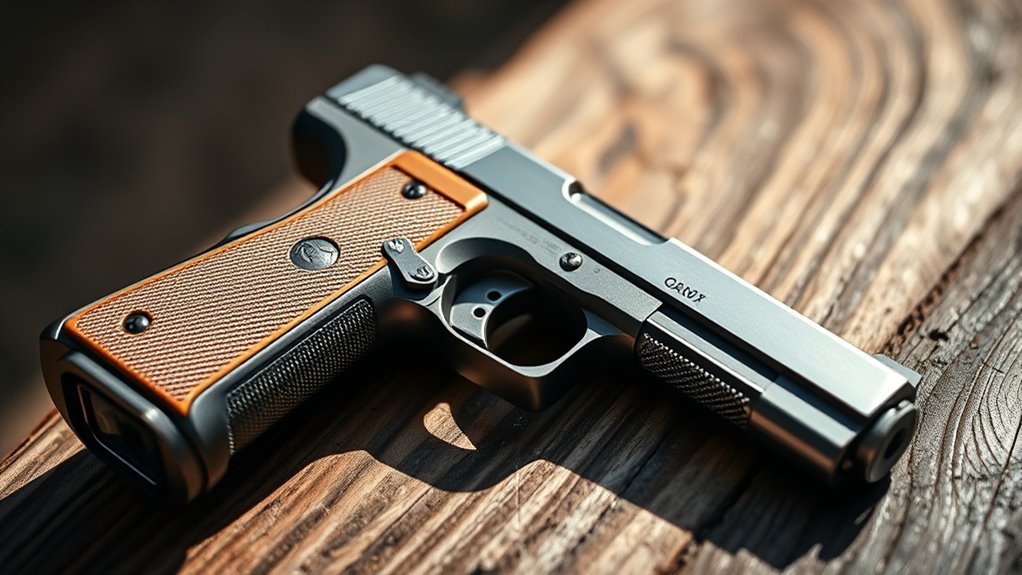
You have a pistol when your firearm is designed to fire with one hand and lacks a shoulder stock. It must meet size and barrel length rules set by the ATF, typically with a barrel under 16 inches and overall length shorter than 26 inches.
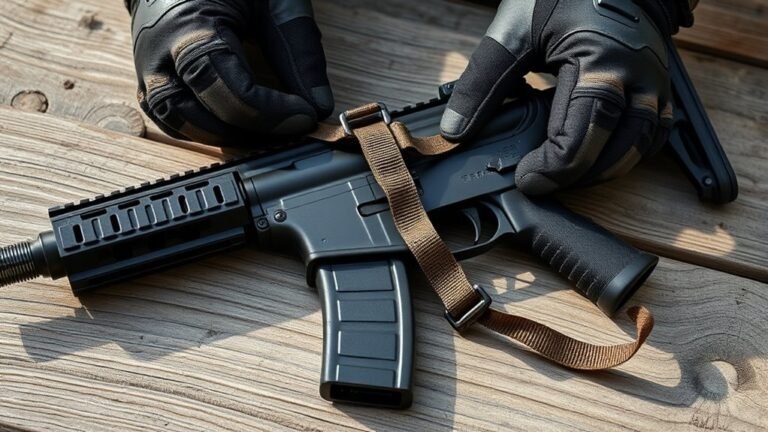
Adding a shoulder stock changes its classification to a rifle. AR pistols, for example, use stabilizing braces instead of stocks and avoid extra regulations.
Keep exploring to understand what sets pistols apart from rifles. It’s pretty interesting once you get into the details!
Key Takeaways
- A pistol is a firearm designed to be fired with one hand and lacks a shoulder stock. It typically has a barrel length under 16 inches and an overall length shorter than 26 inches.
- Pistols are not designed to be fired from the shoulder and use a stabilizing brace instead of a stock. Adding a shoulder stock to a pistol changes its classification, possibly requiring NFA regulation compliance.
- Legal classification depends on size, design features, and compliance with ATF regulations to avoid legal issues. So, it’s important to know the rules before making any modifications.
What Makes a Pistol Legal?
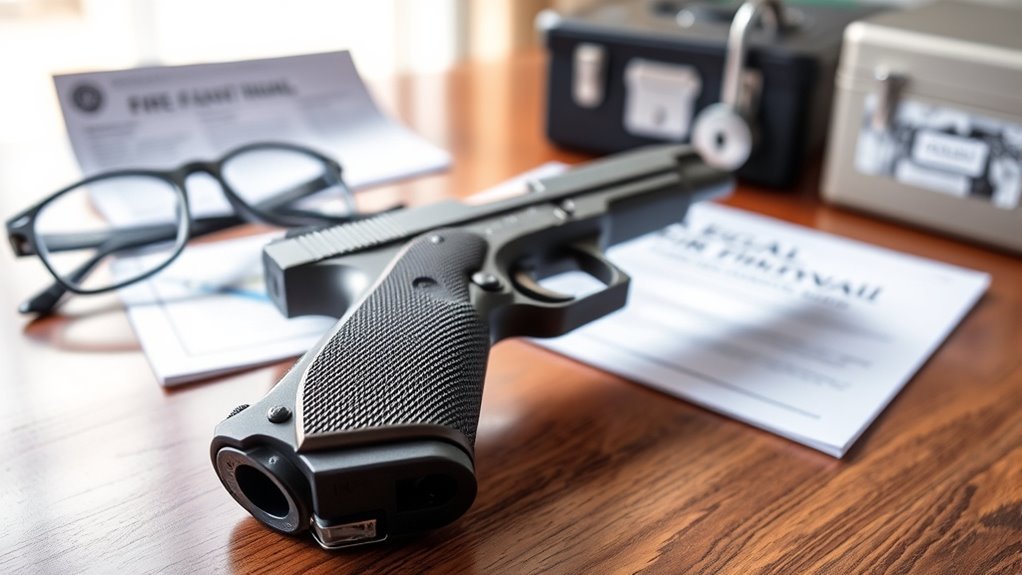
While pistols come in various designs, what makes one legal primarily depends on its size, features, and intended use. A pistol is legal if it’s designed to be fired with one hand and lacks a shoulder stock.
The ATF sets clear criteria: pistols must have an overall length and barrel length shorter than rifles, often featuring a short barrel under 16 inches. Adding a shoulder stock to an AR pistol, for example, changes its classification to a rifle, triggering different legal requirements.
To own or sell pistols legally, you usually need a Federal Firearms License (FFL). Understanding these distinctions guarantees you stay within the law, especially when modifying firearms, since even small changes can affect whether your pistol remains legally compliant under ATF regulations.
How AR Pistols Are Different From Rifles
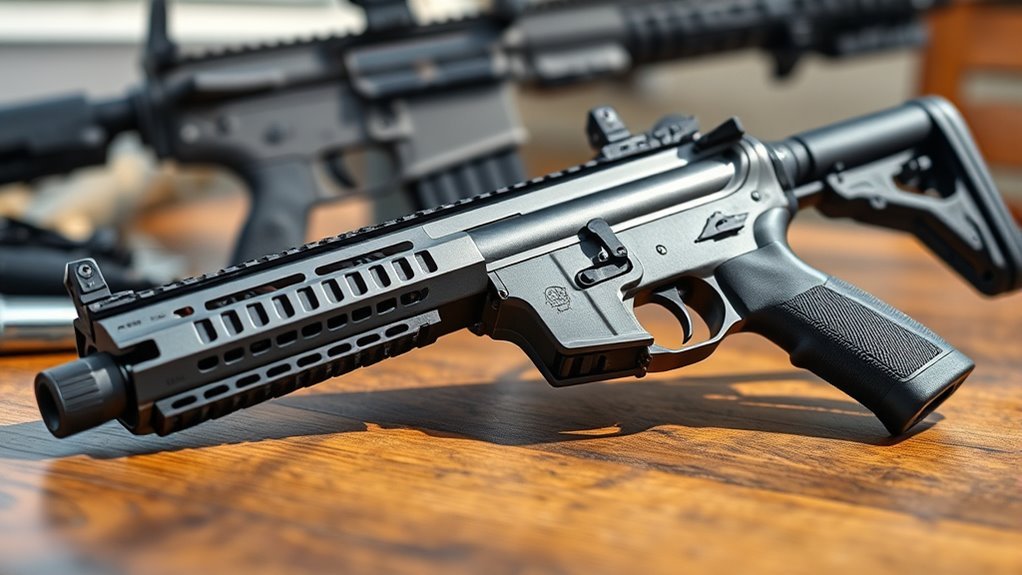
Understanding what makes a pistol legal sets the stage for recognizing how AR pistols differ from rifles. AR pistols lack a shoulder stock and are not designed to be fired from the shoulder, which fits the legal definition of a pistol.
Recognizing the absence of a shoulder stock is key to defining AR pistols legally.
Unlike a rifle, an AR pistol generally has a barrel length under 16 inches and an overall length shorter than 26 inches. This keeps it distinct from a short-barreled rifle, which requires an NFA tax stamp.
Instead, AR pistols use a stabilizing brace rather than a traditional shoulder stock.
Key differences include:
- No shoulder stock, so not fired from the shoulder
- Barrel length under 16 inches
- Overall length under 26 inches
- Classified legally as pistols, not rifles
- No NFA tax stamp needed due to design
Frequently Asked Questions
What Qualifies as a Pistol?
A pistol qualifies as a handgun designed to be fired with one hand, featuring a chamber aligned with the bore, no shoulder stock, and a barrel typically under 16 inches. You’ll recognize it by its compact size and grip.
Are AR-15 Pistols Considered Handguns?
Yes, AR-15 pistols are considered handguns because they’re designed for one-handed use and lack a shoulder stock. You don’t need NFA registration, and they’re legal in most states without special permits.
What Is Legally Considered a Handgun?
You might think anything small enough to hold is automatically a handgun, but legally, it’s a firearm with a barrel under 16 inches and overall length under 26 inches, designed for one-handed use, no matter how tiny it seems.
What Are the 4 Types of Pistols?
The four types of pistols you’ll encounter are revolvers, semi-automatic pistols, single-shot pistols, and derringers. Each works differently, from rotating cylinders to compact, concealed barrels designed for easy carry and quick use.
Conclusion
When it comes to what counts as a pistol, remember it’s like distinguishing a key from a master key—both open doors, but only one fits the lock you need. You’ve got to know the details: barrel length, stock presence, and intended use.
Just like a classic detective trusts his magnifying glass, you’ve got to trust the legal definitions to navigate the fine line between pistols and rifles confidently.
Understanding what is considered a pistol means paying attention to specifics like barrel size and whether the firearm has a shoulder stock. These details matter because they affect how the weapon is classified under the law. So, to confidently identify a pistol, always focus on the legal definitions and characteristics that set pistols apart from rifles. This clarity helps ensure you’re handling and discussing firearms correctly and safely.