How Loud Is a .22 Rifle and How to Measure Its Noise
A .22 rifle typically produces noise between 120 and 140 decibels, which is loud enough to risk hearing damage without protection. This level of noise makes understanding how loud a .22 rifle is really important for shooters and bystanders alike.
Using the right tools and safety measures can help you accurately measure and manage the noise it generates.
To measure its noise, use a calibrated sound level meter about one meter from the muzzle in a controlled environment. Make sure to wear ear protection during the process to keep your hearing safe.
Compared to bigger firearms like 9mm handguns or shotguns, a .22 rifle is quieter but still demands caution. If you want to understand how to stay safe and get accurate readings, keep exploring the details.
Typical Noise Levels and Comparison With Other Firearms
Although a .22 rifle produces noise levels between 120 and 140 dB, which is louder than everyday conversations, it’s still quieter than many other firearms you might encounter. On the decibel scale, typical gunshot noise from a .22 rifle generates less sound pressure than a 9mm handgun or a shotgun, which can exceed 160 dB.
However, the sound level is still high enough to cause damage without proper hearing protection. You shouldn’t underestimate the risk of noise-induced hearing loss when firing a .22 rifle.
Using effective ear protection with a suitable noise reduction rating is essential to reduce exposure. Even suppressed .22 rifles only lower noise levels to around 110-120 dB, so wearing ear protection remains vital to safeguard your hearing during shooting.
Methods for Measuring .22 Rifle Noise and Ensuring Hearing Safety
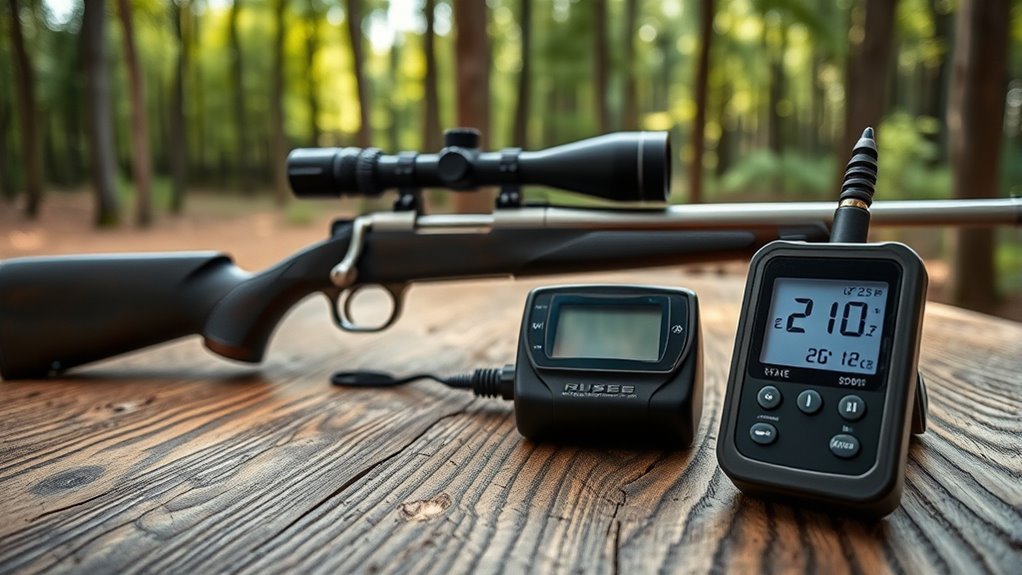
When you measure .22 rifle noise, placing a calibrated sound level meter about one meter from the muzzle helps capture accurate peak decibel readings. Proper calibration is essential since firearm noise can exceed standard meter limits.
Place a calibrated sound meter one meter from the muzzle for accurate .22 rifle noise readings.
Conduct your measurements in controlled environments to minimize interference from ambient noise or terrain. After measuring sound levels, compare the decibel level to hearing safety thresholds, typically around 85 dB.
Since .22 rifles can reach 95-120 dB, always wear hearing protection like ear plugs or earmuffs when testing or shooting. Don’t underestimate noise; even suppressed rifles produce harmful sound levels.
Use proper hearing protection consistently to protect your hearing from damage. Prioritize hearing safety by combining precise noise measurement with responsible use of protective gear during all shooting activities.
Conclusion
You’ve learned that a .22 rifle’s noise, while especially noticeable, is noticeably quieter than many bigger bore beasts. Measuring its sound safely means using sound meters or smartphone apps, making sure you monitor and manage your hearing health.
Remember, protecting your peace means preventing permanent pain. So, stay smart, stay safe, and always sound off responsibly when shooting to keep your ears intact and your shooting sessions satisfying.
Understanding how loud a .22 rifle is helps you take the right precautions. Using proper hearing protection and measuring noise levels with reliable tools ensures you enjoy shooting without risking hearing damage. Managing noise exposure is key to maintaining your hearing health over time. So, when you’re out there with your .22, be mindful of the noise, use sound meters or apps to gauge it, and protect your ears. That way, your shooting experience stays enjoyable, safe, and free from future hearing issues.