Is Dry Firing a Pistol Bad?
You’re generally safe dry firing most modern pistols like Glocks or Smith & Wessons because they’re built to handle repeated trigger pulls without live rounds.
Dry firing a pistol, when done correctly, won’t harm your firearm and is a great way to improve your shooting skills.
Using snap caps or dummy rounds adds extra protection, especially for rimfire guns or older models.
Just follow your pistol’s manual and inspect it regularly to avoid wear.
Dry firing can improve your skills without damaging your firearm.
Keep going to discover how to protect your gun and practice effectively.
Key Takeaways
- Dry firing modern pistols is generally safe because they have durable firing pin designs and improved materials.
- That said, using dummy rounds or snap caps is still a good idea. These protect the firing pin and can prevent potential damage, especially in rimfire guns.
- If you dry fire too much without any protection, it might cause wear over time. This is especially true for older or more delicate firearms.
- On the bright side, dry firing is a great way to improve your trigger control, handling skills, and overall familiarity with your pistol. Plus, you get to practice without worrying about live ammunition.
- Just make sure to follow the manufacturer’s guidelines and keep up with regular maintenance. Doing that helps ensure you dry fire safely and can even extend the life of your pistol.
Why Dry Firing Is Safe for Modern Pistols
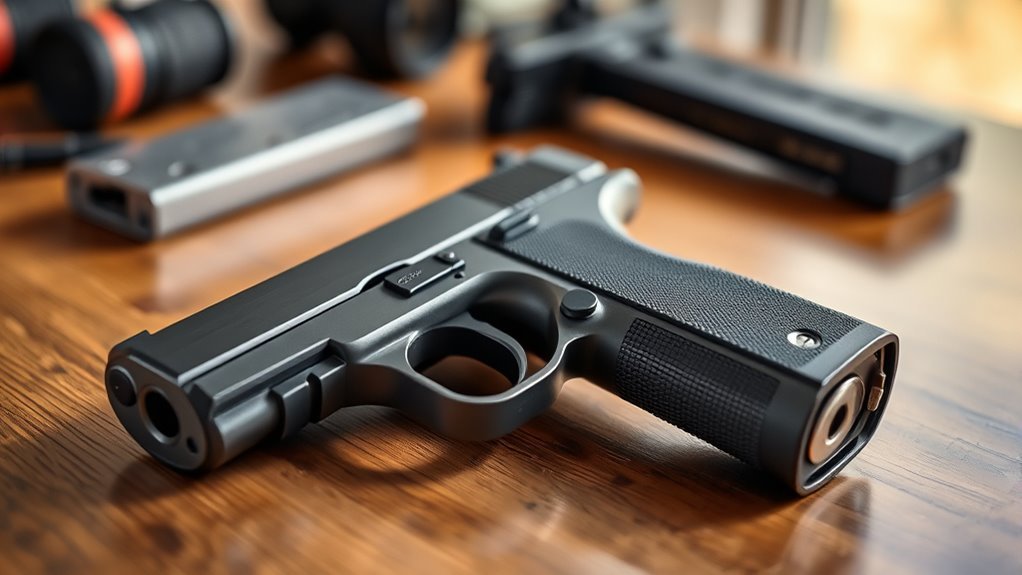
Although some shooters worry about damaging their firearms, dry firing is safe for modern pistols thanks to advances in design and materials. These pistols feature durable firing pin mechanisms that can handle repeated dry firing without harm.
Manufacturers like Glock and Smith & Wesson explicitly approve dry firing certain models, confirming its safety when you follow their guidelines. The risk of damage from firing pin impact has greatly decreased due to improved construction.
When you practice dry firing, using dummy rounds cushions the firing pin, further protecting your pistol. Paying attention to the trigger and overall firearm handling during practice helps you develop skills without unnecessary wear.
How to Prevent Damage When Dry Firing Your Gun
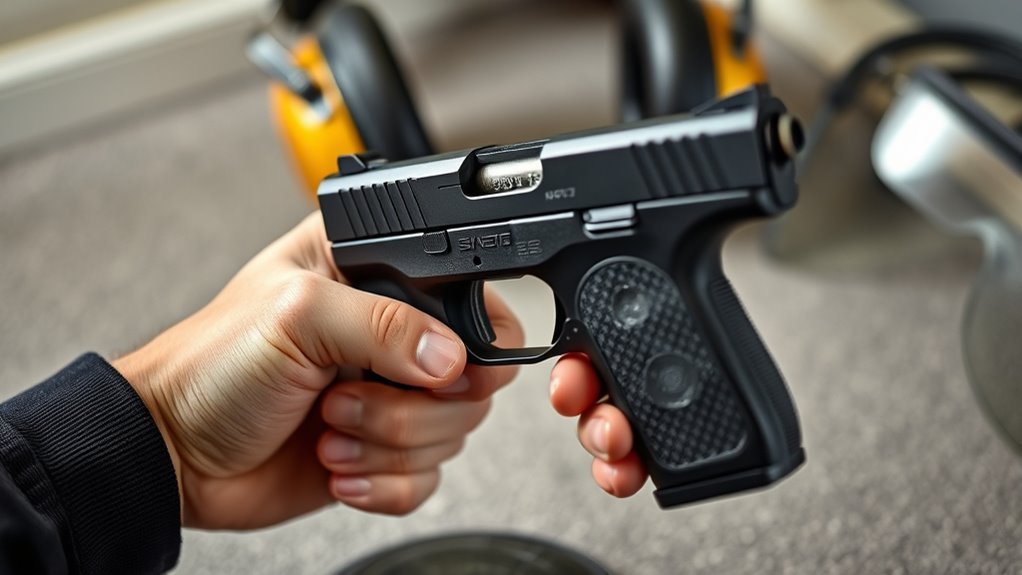
When you dry fire your gun, taking precautions can help prevent damage and extend its lifespan. Always follow dry fire safety by consulting your firearm’s owner manual to confirm if dry firing is safe for your model.
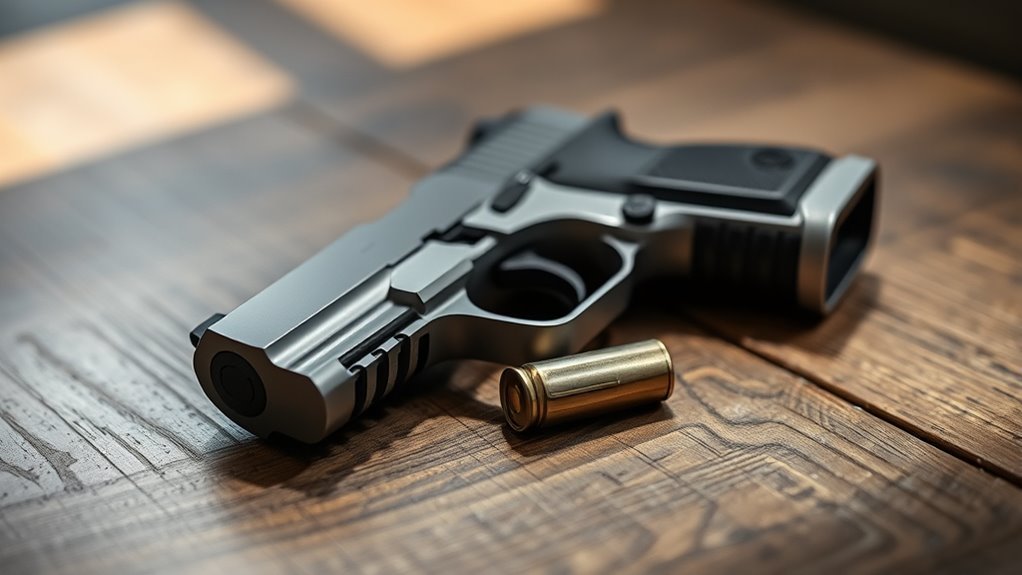
Use snap caps to cushion the firing pin impact and prevent damage during dry fire practice. Rimfire guns are more vulnerable, so avoid dry firing them without protective devices.
Snap caps protect your firing pin during dry fire, especially crucial for delicate rimfire guns.
Limit your dry-fire sessions and regularly inspect for firearm wear, especially around the firing pin area. Focus on proper trigger control to minimize unnecessary stress on components.
For older or delicate firearms, seek professional advice to reduce risk. Consistent firearm maintenance and cautious dry fire practice ensure your pistol stays reliable and safe over time.
Frequently Asked Questions
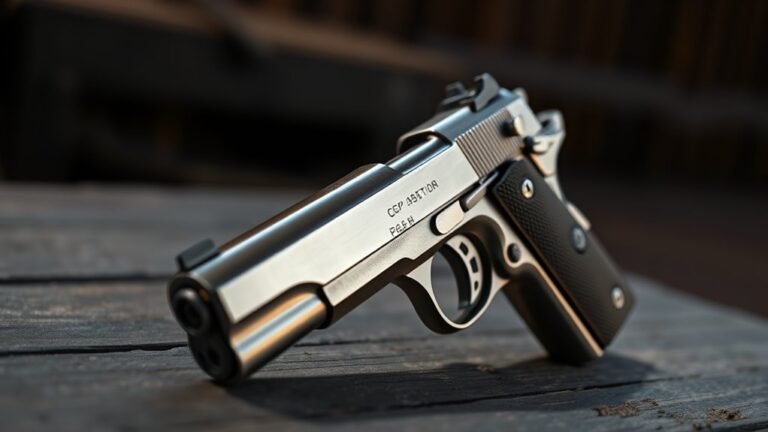
Is It Bad to Dry Fire a 1911?
It’s not bad to dry fire a modern 1911 if you use snap caps, but you should avoid it with older models. Always check your specific pistol’s manual to prevent potential firing pin damage.
Can You Dry Fire a Pistol Too Much?
Yes, you can dry fire a pistol too much, which may cause wear or damage, especially without snap caps. To protect your firearm, use dummy rounds and inspect it regularly, preventing long-term issues from excessive dry firing.
What Pistol Should You Not Dry Fire?
You shouldn’t dry fire older revolvers, vintage pistols with brittle parts, early semi-automatics, or polymer-framed pistols with impact-sensitive firing pins. Always check your manufacturer’s guidelines to protect your firearm from damage.
Does Dry Firing Improve Aim?
Want to get better at shooting? Dry firing definitely improves your aim by letting you practice trigger control and sight alignment repeatedly without recoil. You’ll build muscle memory and confidence, making your shots more precise every time.
Conclusion
Dry firing your pistol isn’t as risky as many believe, especially with modern firearms designed to handle it safely. In fact, studies show that over 90% of contemporary pistols can endure dry firing without damage to the firing pin or chamber.
To keep your gun in top shape, use snap caps or follow manufacturer guidelines. These simple steps help prevent unnecessary wear and tear.
With proper care, dry firing becomes a valuable tool for improving your shooting skills. It allows you to practice trigger control and sight alignment without using live ammo.
So, is dry firing a pistol bad? Not really. When done correctly, dry firing is safe for most modern pistols and can greatly enhance your shooting proficiency. Just remember to take precautions like using snap caps, and you’ll protect your firearm while honing your skills effectively.