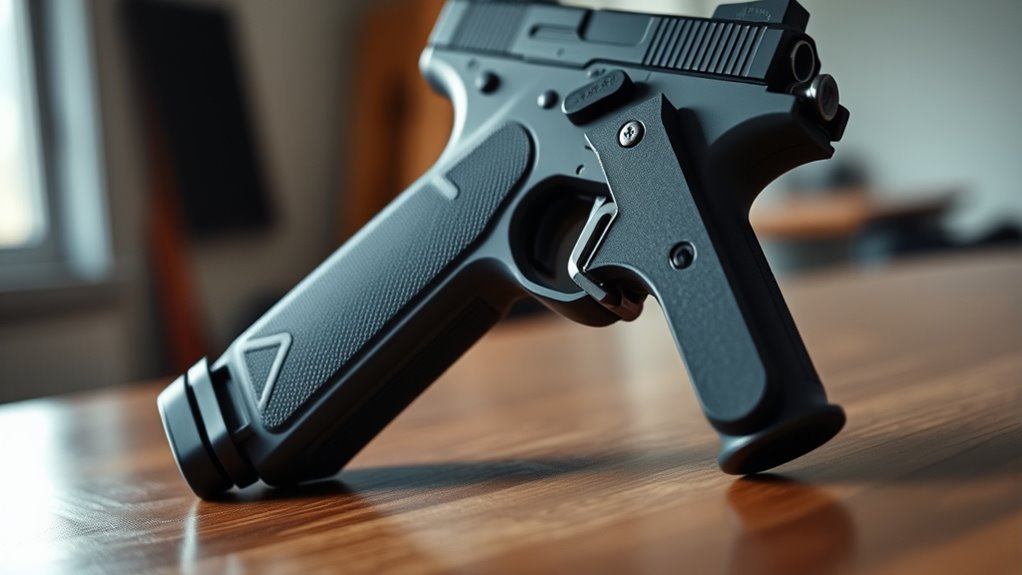
What’s a Pistol Brace and How Do You Use It Properly?
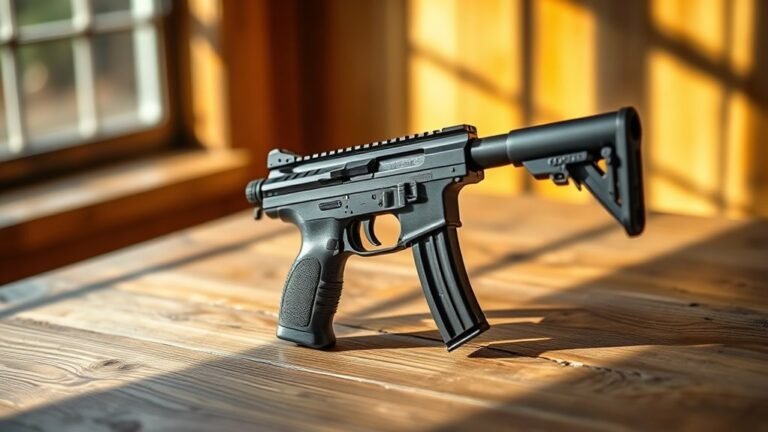
A pistol brace attaches to your firearm’s buffer tube to help stabilize it against your forearm. This improves control and accuracy without turning your pistol into a rifle. It’s a handy accessory for anyone looking to shoot more comfortably and precisely.
You’ll want to secure the Velcro straps snugly but comfortably. Just remember, never shoulder the brace to stay legal. Practicing proper form with the brace guarantees better handling and safety.
If you want to understand its benefits, legal use, and maintenance tips, there’s more to explore. Using a pistol brace correctly can make a big difference in your shooting experience.
Key Takeaways
- A pistol brace attaches to the rear buffer tube to enhance stability and control on AR-style pistols. It helps you manage the firearm better, especially when shooting with one hand.
- It improves one-handed operation without classifying the firearm as a rifle stock. This way, you get better handling without changing the legal status of your pistol.
- Proper use involves securing the Velcro strap tightly around the forearm for natural, comfortable movement. Make sure it feels snug but not too tight, so you can move easily.
- Avoid shouldering the brace to maintain legal classification and ensure compliance with regulations. Using it like a shoulder stock can cause legal issues.
- Regularly inspect and maintain the brace, replacing any worn or damaged parts for safe use. Keeping it in good shape means better performance and safety every time you use it.
What Is a Pistol Brace?
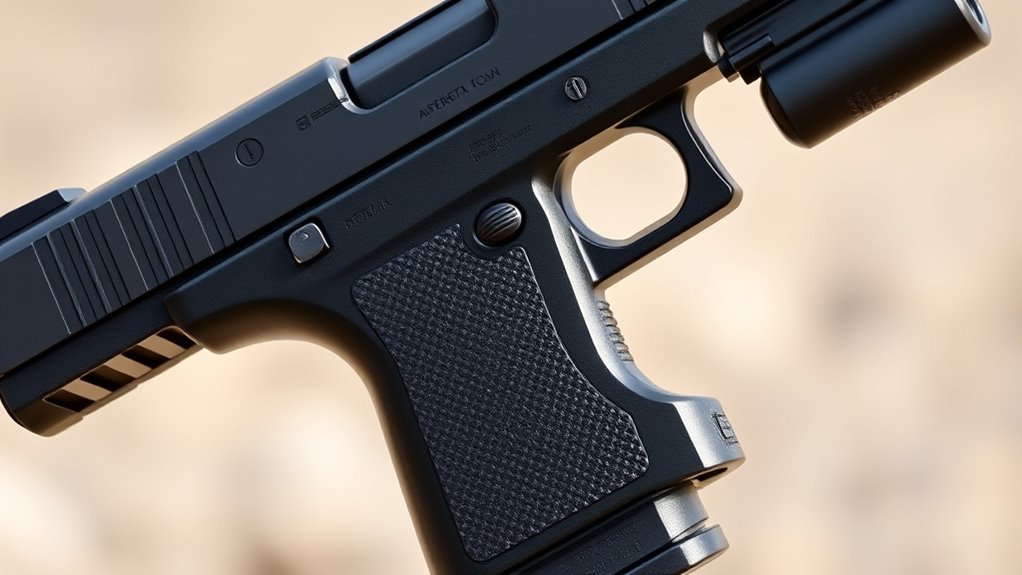
What exactly is a pistol brace, and why might you want one? A pistol brace is an accessory that attaches to the buffer tube at the rear of a pistol, especially popular on AR pistols, to enhance stability and control.
Originally designed for disabled shooters, this stabilizing brace uses Velcro straps or hooks to secure around your forearm, allowing better one-handed operation. Unlike a stock, it doesn’t extend to your shoulder, so it keeps the firearm classified as a pistol rather than a short-barreled rifle.
Understanding the legality of pistol braces is essential since regulations and interpretations can affect your rights under the Second Amendment. By adding a pistol brace, you improve accuracy and handling without changing your firearm’s classification.
How to Use a Pistol Brace Safely and Effectively
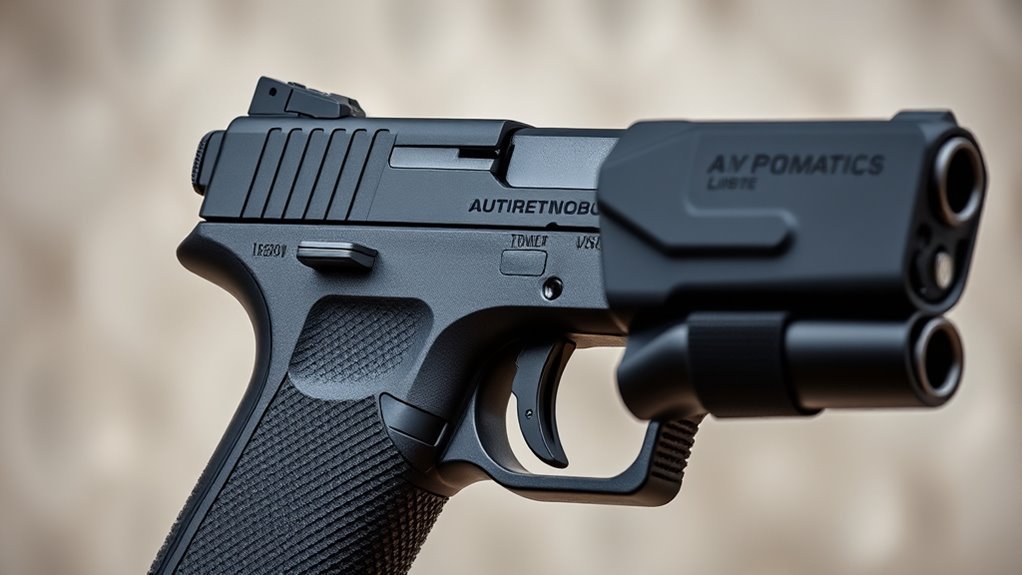
How can you maximize stability and control when using a pistol brace? Secure the Velcro straps tightly around your forearm to guarantee support without cutting off circulation. Position the stabilizing brace comfortably for natural movement and improved accuracy.
Practice with your AR pistol to develop proper use, especially for one-handed firing. Always avoid shouldering the brace to comply with legality and maintain firearm safety.
Regularly inspect your firearm accessory for wear or damage and replace it if needed.
| Step | Action | Purpose |
|---|---|---|
| 1 | Tighten Velcro straps | Secure support |
| 2 | Position on forearm | Comfort and control |
| 3 | Practice shooting | Improve accuracy |
| 4 | Avoid shoulder use | Legal compliance |
| 5 | Inspect for damage | Ensure safety |
Frequently Asked Questions
Can You Legally Own a Pistol Brace?
Yes, you can legally own a pistol brace federally as of July 2025, but you should check your state laws since they might have restrictions. Stay updated because regulations could still change in the future.
How to Actually Use a Pistol Brace?
Think of the pistol brace as your steadying anchor. Wrap its strap firmly around your forearm, grip the firearm comfortably, align with your dominant eye, and practice regularly for control, ensuring safety and precision every time you shoot.
Is Shouldering a Pistol Brace a Felony?
Yes, shouldering a pistol brace can be a felony if you use it to shoulder fire, reclassifying the firearm as an SBR. Stay within legal limits by using the brace as intended to avoid serious legal trouble.
Can You Shoulder a Gun With a Pistol Brace?
Though the musketeer might marvel, you shouldn’t shoulder a pistol with a brace. Doing so risks reclassifying it as an SBR, inviting legal troubles. Stick to using the brace as intended—for one-handed stabilization only.
Conclusion
Now that you know what a pistol brace is and how to use it properly, you can handle your firearm with confidence and care. Remember to always follow safety guidelines, secure the brace firmly, and practice regularly to improve your control.
Protect yourself and respect the law while enjoying shooting responsibly. Using your pistol brace correctly not only improves accuracy but also enhances safety and helps build your skill.
By mastering the proper use of a pistol brace, you’re honoring the responsibility that comes with every shot. So keep practicing, stay safe, and make the most out of your shooting experience with this valuable accessory.