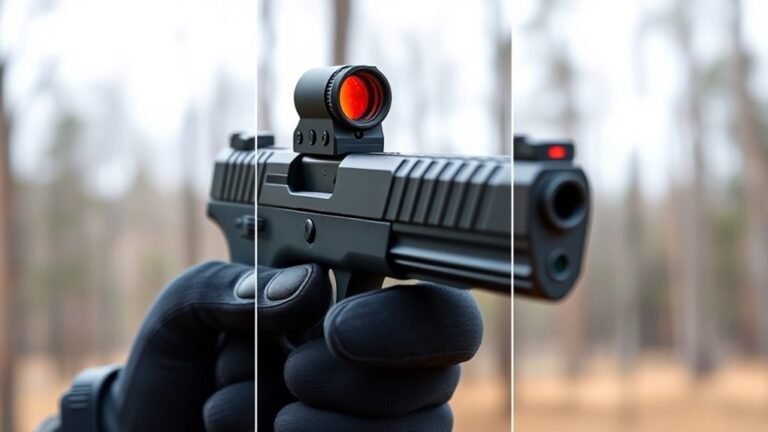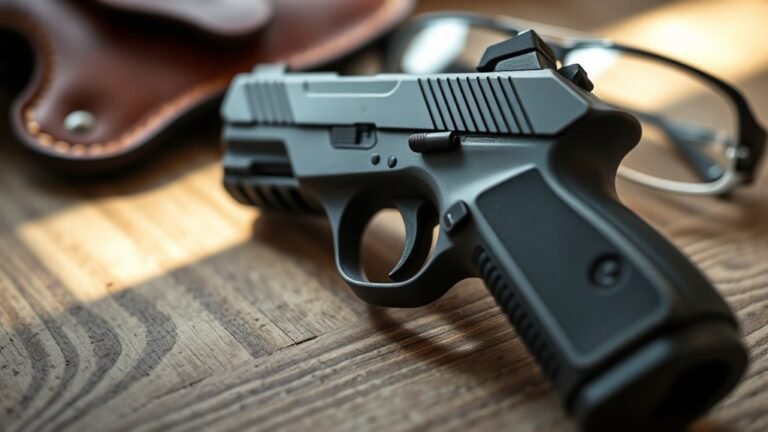
What’s a Striker-Fired Pistol?
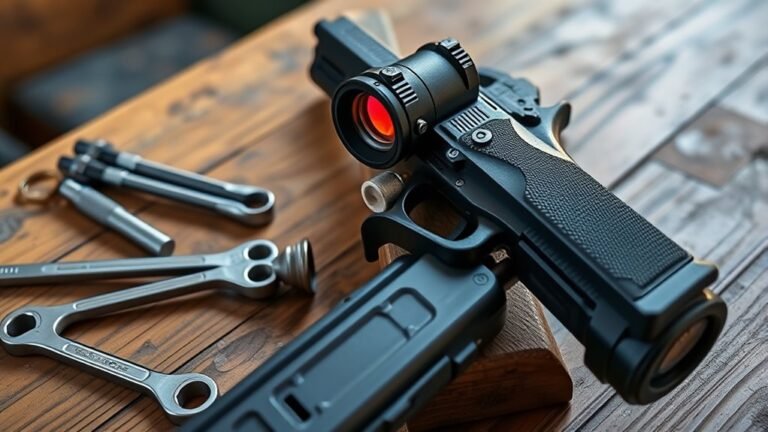
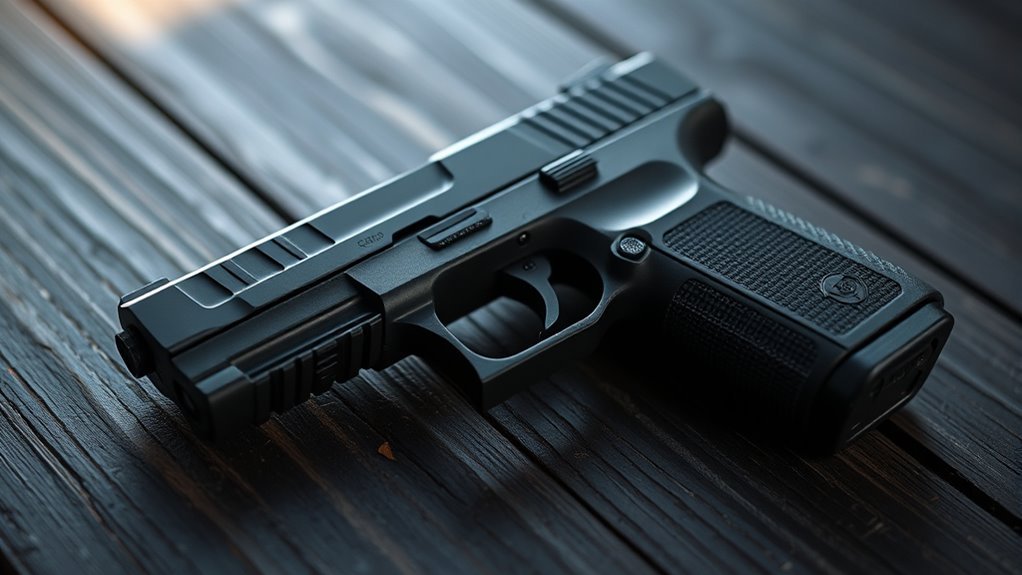
A striker-fired pistol uses an internal striker instead of an external hammer, making it a popular choice for many shooters. When you pull the trigger, it releases the striker to fire in one smooth, consistent motion. This design means you get a reliable trigger pull every time, which is a big plus.
Plus, the snag-free exterior makes it great for concealed carry since there’s nothing sticking out to catch on your clothes. Unlike hammer-fired guns, striker-fired pistols are simpler and easier to maintain, which many people appreciate.
If you’re curious about the key differences and benefits compared to hammer-fired models, there’s definitely more to explore.
Key Takeaways
- A striker-fired pistol uses an internal striker instead of an external hammer to fire rounds. Pulling the trigger both cocks and releases the striker in one smooth motion.
- The design features a sealed striker channel to protect against dirt and debris. This helps keep the pistol reliable in different conditions.
- Striker-fired pistols provide a consistent trigger pull and snag-free carry. That makes them popular for everyday use.
- Popular models include Glock and Sig Sauer P320. They’re known for their reliability and simplicity.
What Is a Striker-Fired Pistol and How Does It Work?
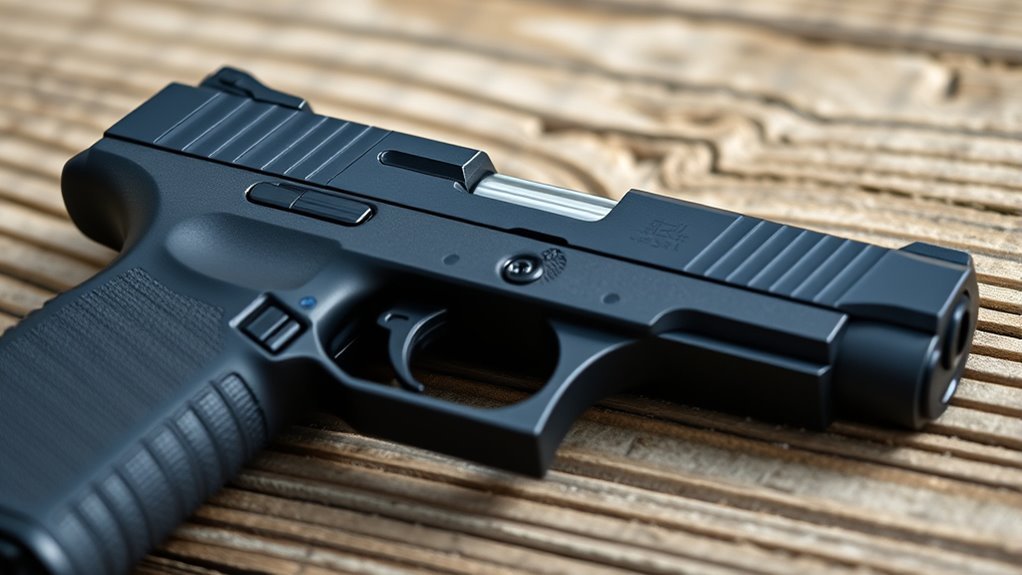
How does a striker-fired pistol work? Instead of relying on an external hammer, a striker-fired pistol uses an internal striker, which acts as the firing pin. When you pull the trigger, the spring tension propels the striker forward to hit the primer directly, firing a round.
Unlike traditional pistols where the trigger pull cocks the hammer, here the trigger releases the striker to cock and then fire in one smooth motion. This design gives you a consistent trigger pull every time since there’s no hammer to cock separately.
The internal striker sits in a sealed channel to keep dirt and debris out, ensuring reliable firing. Popular models like Glock and Sig Sauer P320 use this striker-fired mechanism for its efficiency and simplicity.
Differences Between Striker-Fired and Hammer-Fired Pistols: Pros and Cons
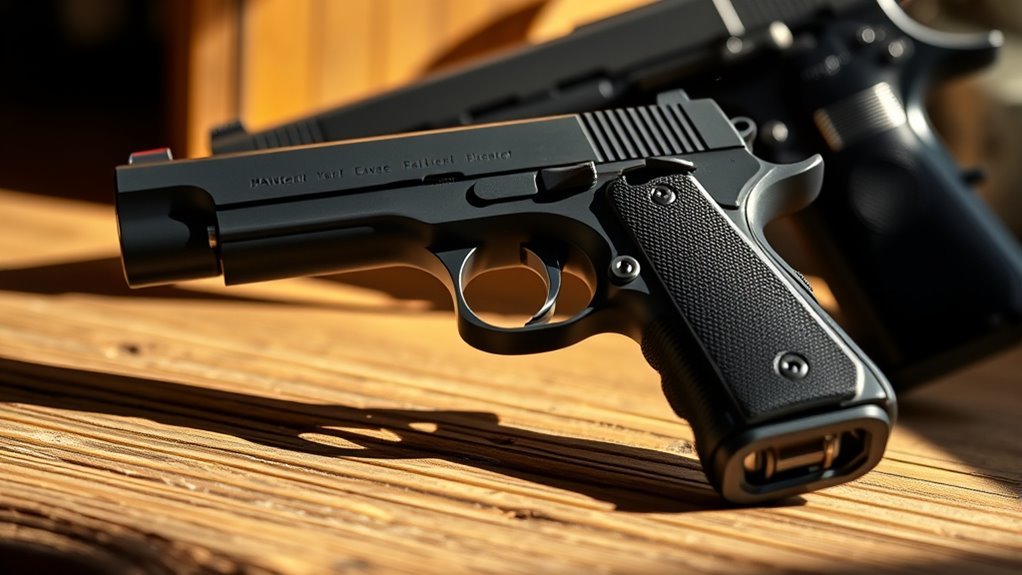
Although both striker-fired and hammer-fired pistols serve the same fundamental purpose, their firing mechanisms create distinct shooting experiences and handling characteristics. When choosing between them, consider how the firing mechanism affects trigger pull, safety, and concealability.
Striker-fired pistols use a spring-driven striker, eliminating the external hammer for a snag-free design ideal for concealed carry. Hammer-fired pistols feature an external hammer, offering tactile feedback and varied trigger weight depending on the firing mode (single or double action).
Striker-fired models provide consistent trigger pull and simpler mechanics, enhancing reliability but sometimes sacrificing a crisp trigger feel. Hammer-fired guns often include additional safeties and heavier trigger weight, which some shooters prefer for safety assurance.
Both types have their pros and cons related to handling, safety, and shooting style, so your choice depends on personal preference. It really comes down to what feels right for you and your specific needs.
Frequently Asked Questions
Is a Striker Fired Pistol Better?
A striker-fired pistol can be better for you if you want consistent trigger pulls and simple operation. You’ll appreciate its snag-free design and safety features, especially if you’re a beginner or carry concealed regularly.
Is 9mm a Striker Fired?
Back in the days of muskets, you’d find that yes, many 9mm pistols are striker-fired. You’ll notice models like Glock 19 and Sig P320 use this design for reliable, consistent shooting and quick follow-ups.
What Pistols Are Not Striker Fired?
You won’t find striker-fired mechanisms in traditional revolvers, single-action pistols like the Colt 1911, or many older semi-autos. Classic models with external hammers, like Ruger SP101 and Browning Hi-Power, aren’t striker-fired either.
What Is Considered a Striker-Fired Pistol?
You’ll find a striker-fired pistol in brands like Glock or Sig Sauer, where the firing pin does the heavy lifting internally. It’s the whole package—smooth, snag-free, and ready to roll every time you pull the trigger.
Conclusion
Now that you know how a striker-fired pistol works, picture its smooth, consistent trigger pull like the steady beat of a drum in your hand—reliable and ready. Unlike hammer-fired guns with their classic click and snap, striker-fired models offer simplicity and speed, making them a favorite for many.
Whether you’re aiming for precision or ease, understanding these differences helps you choose the perfect companion for your shooting journey. Striker-fired pistols deliver a clean, consistent trigger pull without the extra weight of a hammer mechanism. This makes them great for both beginners and experienced shooters who want a fast, dependable firearm.
So, when you think about reliability, simplicity, and quick readiness, striker-fired pistols stand out as a top choice. Knowing these key features helps you pick the right pistol that fits your style and needs perfectly.