How Does a Centerfire Rifle Work?
When you pull the trigger on a centerfire rifle, the firing pin strikes the primer located right at the center of the cartridge’s base. This action crushes the primer, which ignites the gunpowder inside the cartridge.
The result? High-pressure gases quickly build up.
These gases then push the bullet down the barrel and out at a high speed. One of the big reasons centerfire rifles are so popular is that this design guarantees consistent and reliable ignition every time you fire.
Plus, they can handle powerful loads, making them versatile for many uses.
If you’re curious about why centerfire rifles are favored by hunters and shooters alike, there’s plenty more to explore about how this design works and why it’s so trusted in the shooting world.
Mechanism of Ignition and Firing Sequence
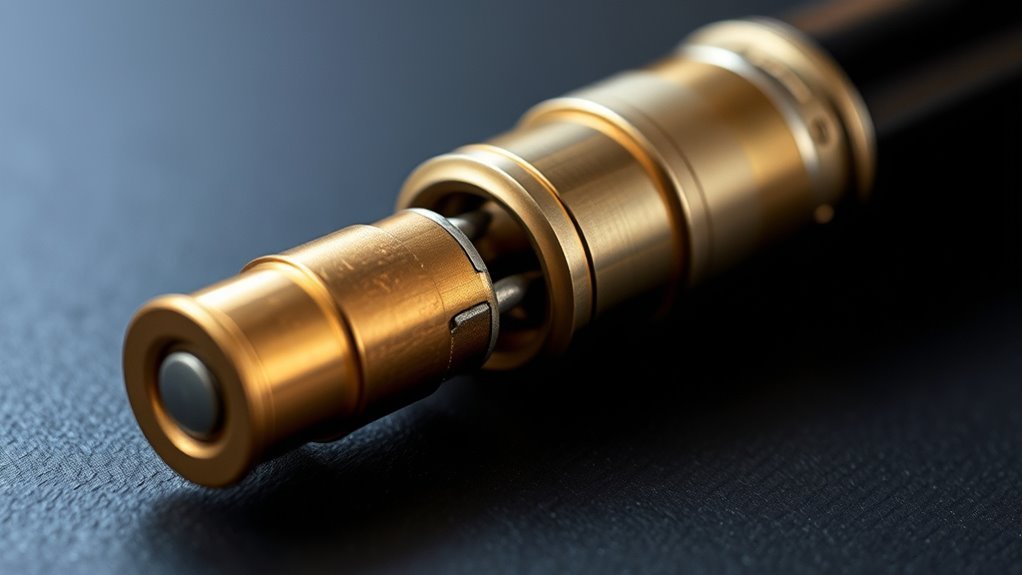
When you pull the trigger on a centerfire rifle, the firing pin strikes the primer at the center of the cartridge base. This impact crushes the primer, which sits securely in the primer pocket as part of the cartridge design.
The primer contains a sensitive explosive compound that ignites instantly upon impact. This priming action kicks off the ignition system by setting off the gunpowder inside the cartridge case.
Once ignited, the powder burns rapidly, producing high-pressure gases. These gases expand quickly, pushing the bullet down the barrel and out of the firearm.
The whole firing sequence relies on the precise interaction between the firing pin strikes, primer, and powder. They’re all carefully integrated through the cartridge design to make sure ignition is reliable and consistent every time.
Advantages and Applications of Centerfire Rifles
Understanding how the firing pin, primer, and powder interact helps explain why centerfire rifles offer several advantages over other types. The centerfire design places the primer centrally in the cartridge, ensuring reliable ignition and enabling support for higher chamber pressures.
This lets you achieve greater velocity and energy, which translates into improved accuracy and effectiveness across various calibers. You can use centerfire rifles for everything from small varmint hunting to big game and law enforcement duties.
Plus, with the ability to reload cases using Boxer primers, you save money and customize loads to your needs. The versatility, power, and precision of centerfire cartridges make these rifles ideal for target shooting, self-defense, and military applications, setting them apart as the preferred choice for serious shooters.
Conclusion
You might think that firing a centerfire rifle is just about pulling the trigger, but there’s a clever dance happening inside. It ignites the primer and sends the bullet flying with precision.
Ironically, what seems like a simple bang actually involves intricate engineering designed for reliability and power.
So next time you handle one, remember—you’re not just firing a gun. You’re activating a masterpiece of mechanical timing that’s anything but simple.
Understanding how a centerfire rifle works reveals the careful design behind each shot. From the primer ignition to the bullet’s precise exit, every step is engineered for performance and safety. This is what makes centerfire rifles reliable tools for hunters, sport shooters, and professionals alike.