What Defines a High Powered Rifle?
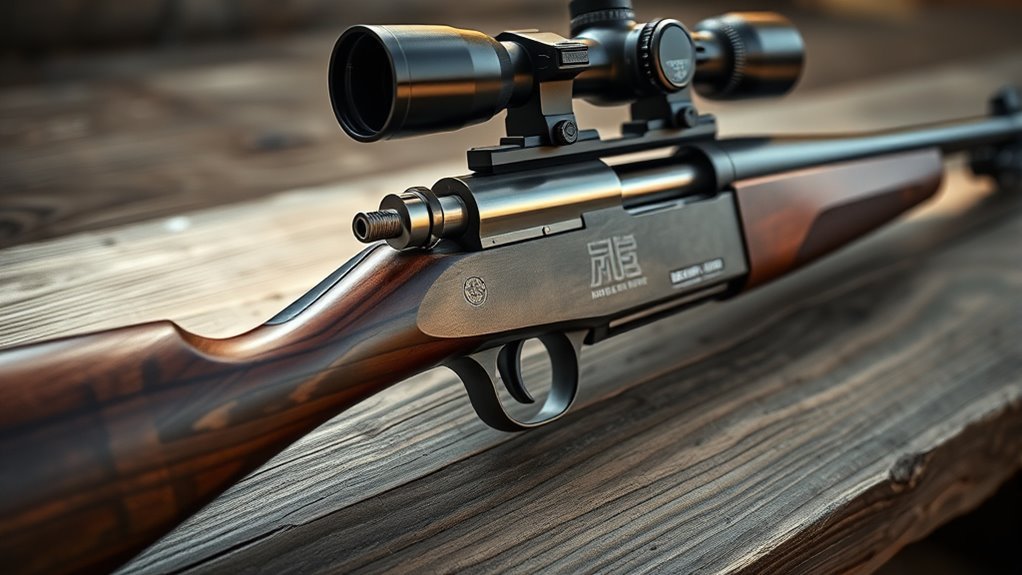
You can define a high powered rifle by its caliber, typically .30 or larger, and its ability to deliver over 1,000 foot-pounds of muzzle energy. These rifles often achieve velocities exceeding 2,400 feet per second, making them powerful tools for long-range shooting.
They pack significant impact and destructive potential due to their larger cartridges and higher pressures.
While the term’s exact meaning varies by culture and context, understanding the technical specs gives you a clearer picture of what sets these rifles apart.
If you want to explore further, knowing these basics helps you appreciate why high powered rifles are favored in hunting and precision shooting. It’s all about the combination of size, speed, and energy that defines their performance.
Characteristics and Caliber Specifications
Although the term “high powered rifle” can vary depending on context, it generally refers to firearms chambered in centerfire cartridges of .30 caliber or larger that deliver over 1,000 foot-pounds of muzzle energy.
High powered rifles typically fire centerfire cartridges of .30 caliber or larger with muzzle energy over 1,000 foot-pounds.
When you consider caliber specifications, high power rifles often use cartridge types like the .30-06 Springfield, .308 Winchester, or magnum cartridges such as the .300 Winchester Magnum.
These centerfire rifles generate impressive muzzle velocity, frequently exceeding 2,400 feet per second, enhancing their destructive potential.
Key rifle characteristics include larger caliber size and higher pressures, which contribute to greater downrange energy compared to intermediate or rimfire rifles.
Understanding these features helps you appreciate how caliber size and cartridge types define the high power and overall effectiveness of these rifles.
Cultural Perceptions and Terminology Debates
Understanding the technical specifications of high-powered rifles sets a clear foundation, but how you interpret the term “high-powered rifle” can vary widely.
Perceptions of what defines such a rifle differ culturally and depend on factors like caliber and energy. The terminology itself carries significant ambiguity, as media and political narratives often use “high-powered” to evoke fear or push agendas rather than describe precise firearm specs.
In legislation and public debate, this term can be deliberately vague, fueling confusion and emotional responses. You’ll notice that some see it tied strictly to larger calibers like .30-06 or .308, while others include intermediate cartridges.
This ongoing debate highlights the challenge of separating cultural perceptions from technical realities when discussing high-powered rifles.
Conclusion
When you think about a high-powered rifle, picture a fierce storm—raw energy packed into precision engineering. It’s not just about caliber or velocity; it’s how that power feels in your hands and performs downrange.
Understanding the specs helps, but cultural views shape what “high-powered” really means to you. So, whether you’re chasing game or debating terminology, remember: a high-powered rifle is as much about perception as it is about punch.
In the end, what defines a high-powered rifle goes beyond numbers on paper. It’s the blend of power, precision, and personal experience that makes these firearms stand out. Whether for hunting or shooting sports, recognizing these factors can help you appreciate what truly makes a rifle high-powered.