What Is Considered a Pistol?
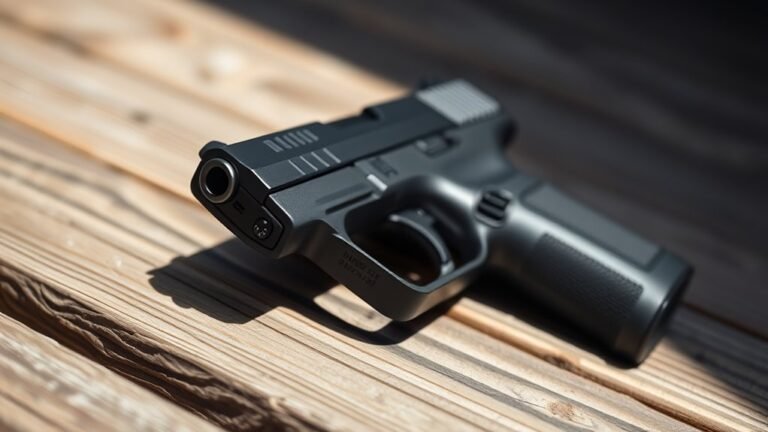
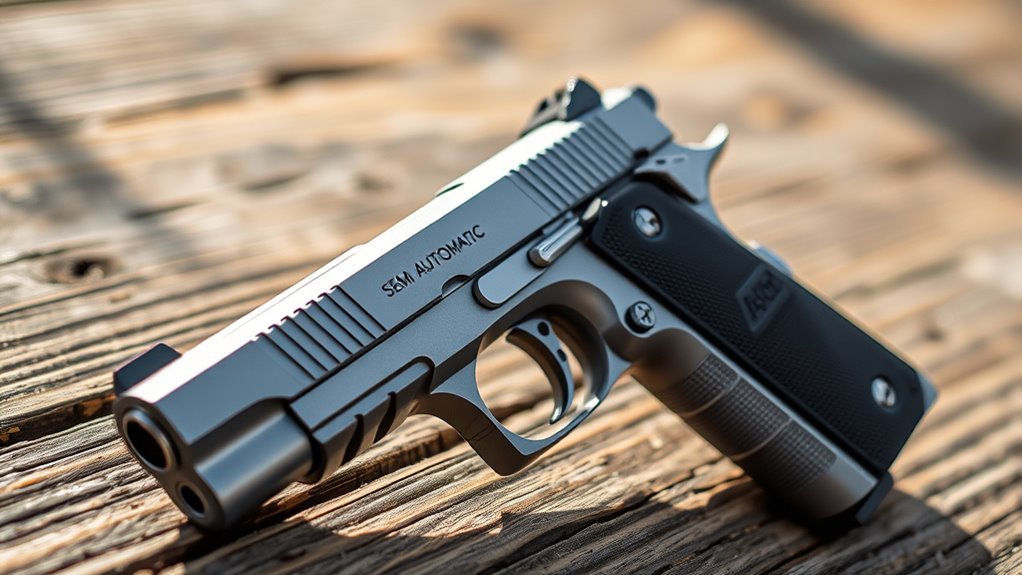
You’ll want to know that a pistol is designed for one-handed use, with a barrel shorter than 16 inches and no shoulder stock. These features are key in distinguishing pistols from other firearms.
Adding a shoulder stock changes it to a rifle or short-barreled rifle, which affects its legal status.
AR pistols fit these rules by using stabilizing braces instead of stocks and keeping barrels short. This design keeps them within the pistol category, even though they look a bit like rifles.
Understanding these details helps you see how pistols are legally defined and what makes AR pistols unique.
Keep exploring to get the full picture. It’s important to know these distinctions, especially if you’re interested in firearm laws and classifications.
Key Takeaways
- A pistol is designed for one-handed firing without a shoulder stock. Adding a shoulder stock reclassifies it as a rifle or short-barreled rifle (SBR).
- Pistol barrels are typically shorter than 16 inches in length. Overall length is usually under 26 inches to maintain pistol classification.
- The firearm’s design and intended use determine if it qualifies as a pistol. So, it really comes down to how it’s built and meant to be used.
Legal Definition of a Pistol
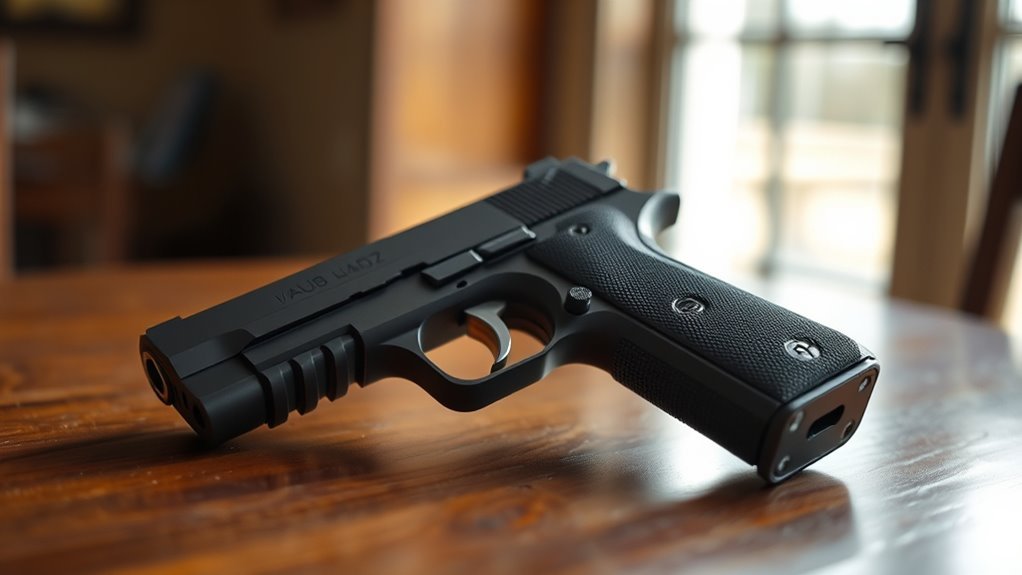
What exactly makes a firearm a pistol in the eyes of the law? The legal definition hinges on a few key factors: a pistol must be designed for one-handed firing and cannot have a shoulder stock.
This is essential in firearm classification because adding a shoulder stock transforms a pistol into a rifle or short-barreled rifle. That change affects its legal status and may require an NFA tax stamp.
Barrel length also plays a role—pistols typically have shorter barrels, often under 16 inches. But the distinction between rifle vs pistol isn’t just about size; it’s about design and intended use.
Understanding these firearm laws helps you navigate how pistols are regulated. It also explains why modifications like attaching a shoulder stock can shift the classification and legal responsibilities you face.
How AR Pistols Meet Pistol Classification Criteria
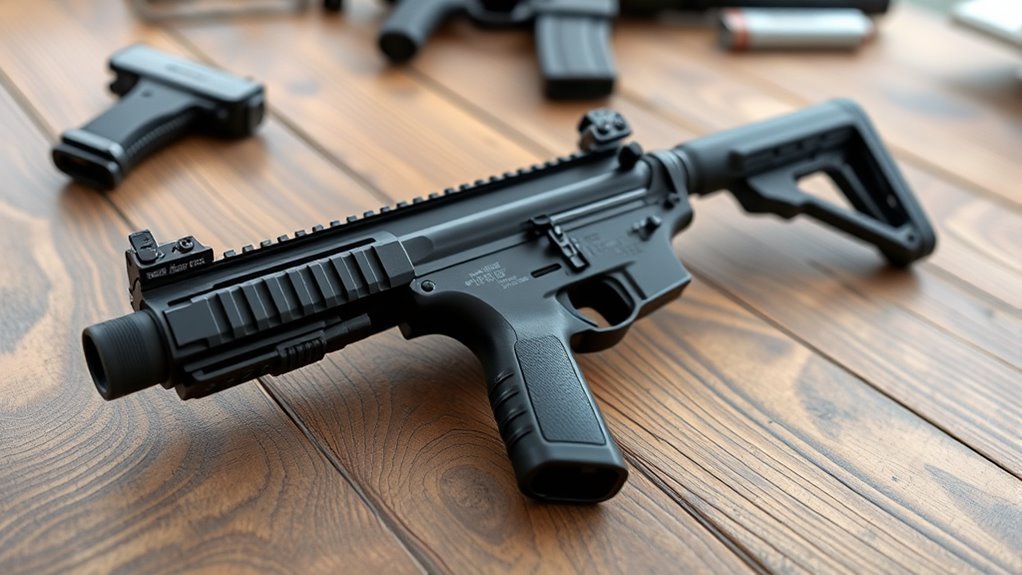
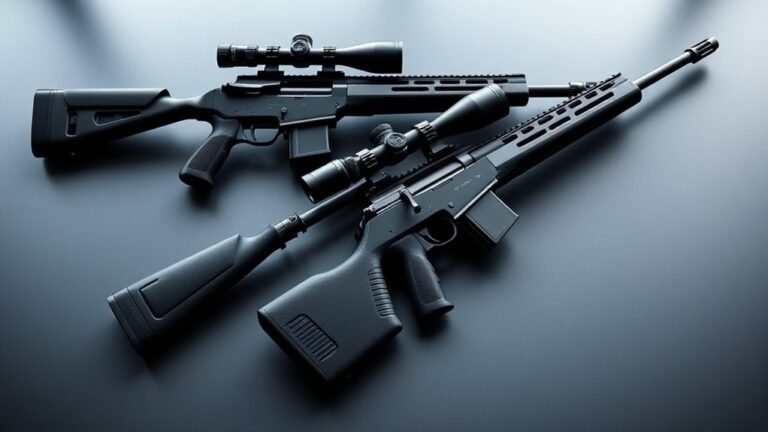
Although AR pistols may look similar to rifles, they meet pistol classification criteria by featuring barrels shorter than 16 inches and lacking shoulder stocks. You’ll find AR pistols use a stabilizing brace or pistol buffer tube instead of a stock, which helps keep them under handgun classification.
AR pistols resemble rifles but qualify as handguns due to shorter barrels and absence of shoulder stocks.
Their overall length is typically less than 26 inches, fitting legal pistol dimensions. They’re also designed to be fired with one hand, reinforcing their pistol status.
Here’s how AR pistols meet the criteria:
- Barrel shorter than 16 inches ensures it’s legally a short barrel firearm.
- Use of stabilizing brace instead of shoulder stock maintains pistol classification.
- Designed to be fired with one hand, consistent with handgun definition.
This combination keeps AR pistols within legal pistol guidelines.
Frequently Asked Questions
What Qualifies as a Pistol?
You qualify a firearm as a pistol if it has a barrel under 16 inches, no shoulder stock, and is designed to be fired with one hand. Adding a stock changes its classification to a short-barreled rifle.
Are AR-15 Pistols Considered Handguns?
Yes, AR-15 pistols are considered handguns because they lack shoulder stocks and have barrels under 16 inches. You’ll find they follow handgun regulations, including age limits and background checks, despite their rifle-like appearance.
What Is Legally Considered a Handgun?
Legally, you’re considered to have a handgun if the firearm has a barrel under 16 inches, fits in one hand, and is designed for personal use. You’ll also follow federal and state regulations when owning one.
What Are the 4 Types of Pistols?
You’ll find pistols ranging from compact derringers and slim pocket pistols to sturdy revolvers with rotating cylinders and semi-automatics that reload themselves. These four types offer different styles, sizes, and firing mechanisms for your needs.
Conclusion
Think of a pistol as a compact key—small yet powerful, designed to fit snugly in your hand and open specific legal boundaries. When you hold an AR pistol, you’re grasping that key shaped by precise definitions, not just a firearm.
Understanding what makes a pistol helps you navigate the complex landscape of laws. It’s like being a captain steering through clear but carefully marked waters.
Knowing these details ensures you wield your rights responsibly. After all, recognizing the legal definition of a pistol is crucial. It helps users stay compliant with regulations while enjoying their firearms safely and confidently. Whether you’re new to firearms or experienced, understanding what is considered a pistol keeps you informed and prepared in any situation.