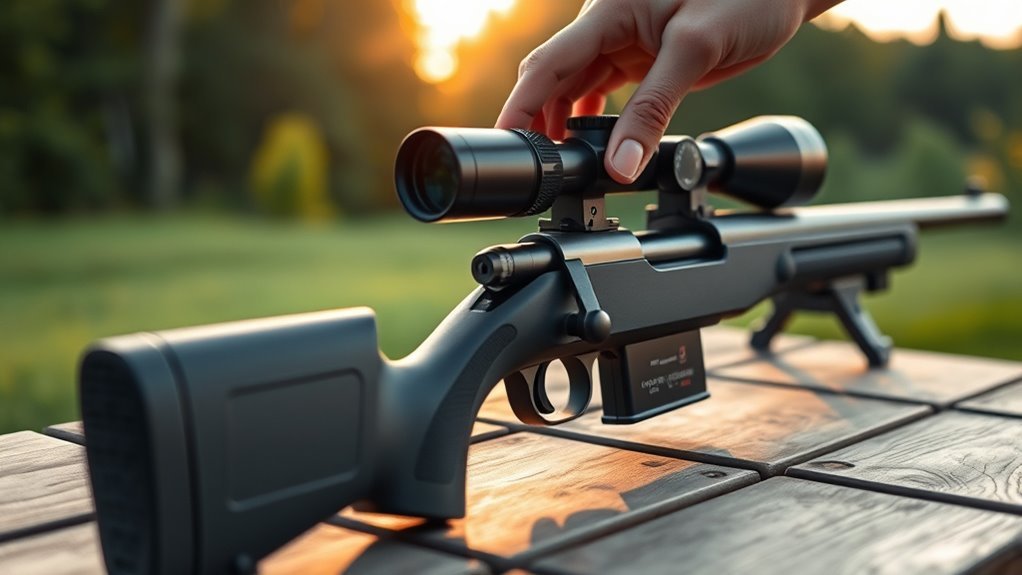
What Is a PCP Air Rifle and How Do You Use It?
A PCP air rifle uses compressed air stored in a high-pressure tank to shoot pellets accurately and consistently. This type of airgun is popular among shooting enthusiasts for its power and precision.
You fill the reservoir with a hand pump or scuba tank, then load a pellet into the breech.
When you gently pull the trigger, a controlled burst of air propels the pellet through the rifled barrel. This design allows for smooth, consistent shots every time.
Proper filling, shooting, and maintenance keep your PCP air rifle performing well.
It’s important to understand how every part works together for precision shooting. Keep exploring to learn more about the components and how to use your PCP air rifle safely and effectively.
Understanding the Mechanics of PCP Air Rifles
A PCP air rifle works by storing compressed air in a high-pressure vessel, usually between 3,000 and 4,500 PSI, which powers each shot. When you pull the trigger, the valve system releases a controlled burst of compressed air from the air reservoir.
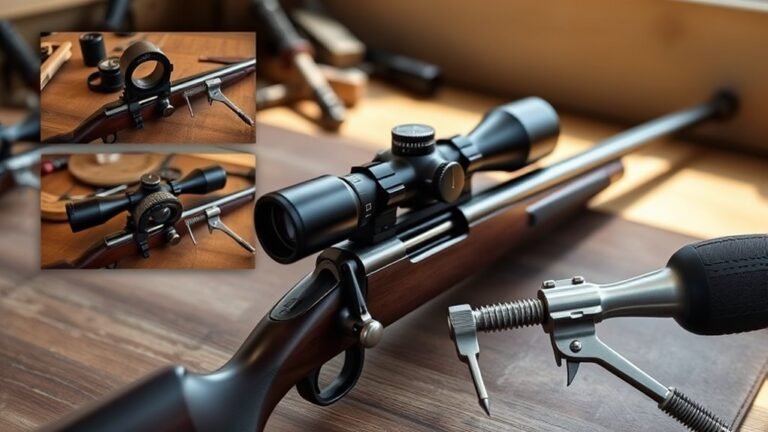
This air propels the pellet down the rifled barrel, which spins the pellet to improve accuracy and stability. The fill probe lets you recharge the air reservoir efficiently, while regulation components maintain consistent pressure for uniform pellet velocity.
This precise control over air release and pressure means every shot you take delivers reliable power with minimal recoil. That’s why PCP air rifles are highly accurate and consistent tools for shooting enthusiasts.
Understanding these mechanics helps you appreciate how these rifles achieve their impressive performance. It’s pretty cool once you get how it all works together.
Essential Steps to Operate and Maintain Your PCP Air Rifle
Before you take your first shot, you’ll need to fill your PCP air rifle’s high-pressure tank with compressed air. You can use a hand pump, scuba tank, or compressor for this.
Watch the pressure gauge closely and fill until it reaches the recommended level.
Monitor the pressure gauge carefully and fill the tank to the specified pressure level.
Next, load the pellet into the breech carefully. Make sure it’s properly seated for maximum accuracy.
When you’re ready, squeeze the trigger gently to release the air valve and fire.
To maintain consistent shot performance, regularly check the pressure gauge. Top off the air tank as needed to keep it ready.
Don’t forget periodic maintenance: clean and lubricate your rifle with non-petroleum products like Ballistol every 500 shots.
Proper lubrication and upkeep will keep your PCP air rifle operating smoothly and accurate for every shot.
Conclusion
You might think a PCP air rifle is just another airgun, but its precision and power set it apart. While it relies on compressed air instead of traditional gunpowder, it demands your careful attention and regular maintenance to perform at its best.
By understanding its mechanics and following proper use, you turn what seems like a simple tool into a reliable companion for shooting sport or pest control. Mastery lies in balancing power with responsibility.
A PCP air rifle offers consistent shooting performance because of its pre-charged pneumatic system. This means it uses compressed air stored in a cylinder, providing steady power with each shot. Using it correctly involves regular upkeep, like checking air pressure and cleaning, to ensure safety and accuracy.
In short, a PCP air rifle is more than just an airgun; it’s a precision instrument. Whether you’re target shooting or managing pests, knowing how to use and maintain your PCP air rifle will elevate your experience. Always prioritize safety and responsibility to enjoy its full potential.