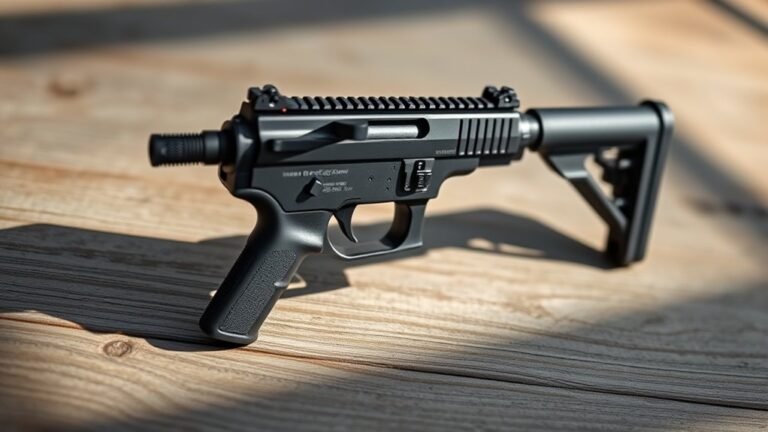
How Does Your Pistol’s Safety Work?
Your pistol’s safety works through a mix of internal features and manual controls designed to prevent accidental firing. These safeties are essential for safe gun handling and can vary depending on the pistol model you have. Understanding how your pistol’s safety works is key to using it confidently and responsibly.
Trigger safeties and firing pin blocks stop the gun from firing unless you deliberately pull the trigger.
Manual safeties let you physically block firing by flipping a switch or lever. You should always keep the safety engaged when not shooting and handle your pistol responsibly.
Keep following along, and you’ll get a clearer picture of how to use these safeties properly. Knowing these basics helps ensure your pistol stays safe until you’re ready to fire.
Types of Pistol Safeties
Although pistols come with various safety features, understanding the types of safeties is essential for using your firearm safely. You’ll find both internal safeties and external safeties designed to prevent accidental firing.
Knowing your pistol’s internal and external safeties is key to safe firearm use.
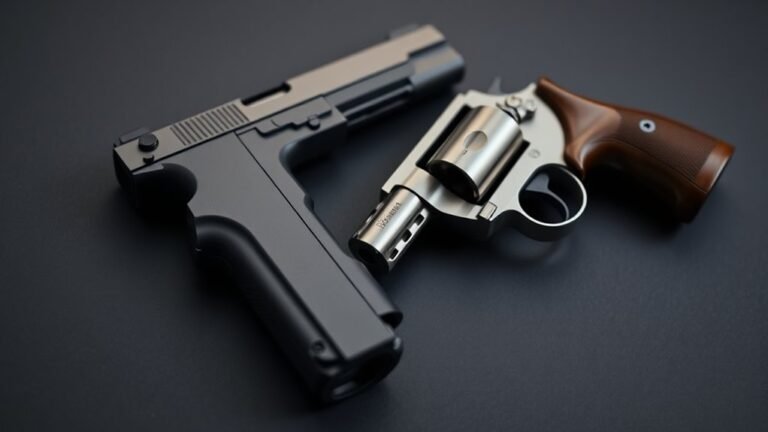
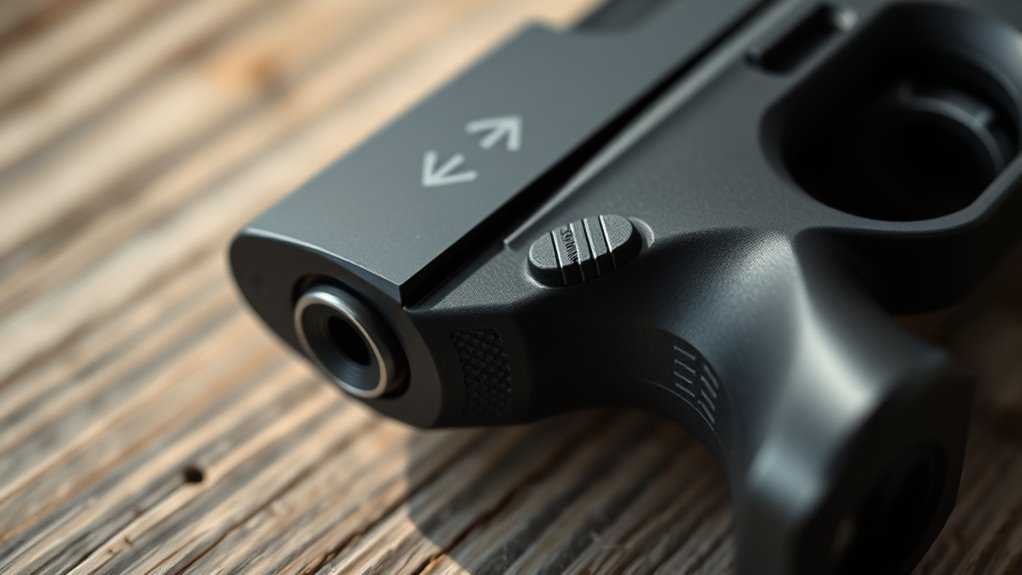
Manual safety mechanisms, like thumb safeties, safety levers, and decocking levers, let you control when your pistol is ready to fire. External safeties also include grip safeties, which require a firm hold to disengage.
Internally, pistols often have trigger safeties, firing pin blocks, and drop safeties that automatically activate without your input. Some models feature a magazine disconnect that stops the gun from firing without a magazine inserted.
Knowing these types helps you appreciate how your pistol balances readiness with safety, reducing the risk of unintended discharges while giving you control over its operation. It’s all about keeping things safe while staying ready.
Proper Use and Handling of Pistol Safeties
When handling your pistol, you should always familiarize yourself with its safety features and guarantee they’re properly engaged or disengaged before use. Proper use of your pistol’s safety mechanism, whether manual safety, trigger safety, or passive safeties, is vital to prevent accidental discharge.
Always point the firearm in a safe direction and verify it’s unloaded before you engage or disengage the safety. Never rely solely on active safety features; maintain responsible firearm handling at all times.
| Safety Aspect | Best Practice |
|---|---|
| Manual Safety | Flip switch to engage before handling |
| Trigger Safety | Use as designed, don’t override |
| Firearm Handling | Point in safe direction, check status |
Conclusion
Your pistol’s safety is like a guardian at the gate, standing ready to prevent accidents when you’re not firing. By understanding how it works and using it properly, you hold the key to control and responsibility.
Remember, just as a lighthouse guides ships safely through darkness, your safety mechanism guides your actions—keeping both you and others protected.
Treat it with respect, and it will always be your steadfast shield. Using the pistol safety correctly is essential for preventing accidental discharges and ensuring safe firearm handling. When you engage the safety, you reduce the risk of unintended firing, giving you peace of mind.
So, always make it a habit to check and use your pistol’s safety. It’s a simple step that makes a big difference in gun safety and responsible ownership. Your pistol’s safety is truly your first line of defense in safe shooting practices.