What Is an AR Pistol and How Do You Use It Safely?
An AR pistol is basically a smaller, more compact version of the AR-15 rifle. It features a barrel shorter than 16 inches and uses a stabilizing brace instead of a stock. This design classifies it legally as a pistol, which is a key point to remember.
When using an AR pistol, safety is super important. Always keep your finger off the trigger until you’re ready to fire. It’s also crucial to maintain a stable stance to control your shots better.
Don’t forget to wear eye and ear protection every time you shoot. Plus, always check your local laws before using or modifying your AR pistol. Avoid adding accessories that might change its classification and make it illegal.
Getting these basics down helps you be safer and more prepared. And once you’ve got this foundation, you’re ready for more detailed guidance on using an AR pistol.
Understanding the AR-15 Pistol: Design and Legal Considerations
Although the AR-15 pistol shares many features with the traditional AR-15 rifle, it differs primarily by lacking a stock and having a barrel shorter than 16 inches.
The AR-15 pistol resembles the rifle but features a shorter barrel and no stock.
When you handle an AR-15 pistol, legal considerations are vital. The short barrel and use of a stabilizing brace instead of a traditional stock keep it classified as a pistol under ATF regulations.
However, attaching certain accessories like vertical fore grips can change its classification to an illegal short barreled rifle (SBR) or an “Any Other Weapon” (AOW), requiring additional paperwork.
The lower receiver’s role is key in defining the firearm’s status. If you plan to use an AR-15 pistol for concealed carry, always verify your state’s laws.
Also, double-check that the barrel length and brace comply with federal and local regulations.
Safe Handling and Shooting Techniques for AR Pistols
Handling an AR pistol safely means understanding both its unique design and how to control it effectively. For safe handling, always keep your finger off the trigger and outside the trigger guard until you’re ready to shoot. Practicing strict trigger discipline is key.
Maintain a stable stance and grip by standing with your feet shoulder-width apart and leaning slightly forward. Support the pistol with your support hand on the handguard for maximum stability.
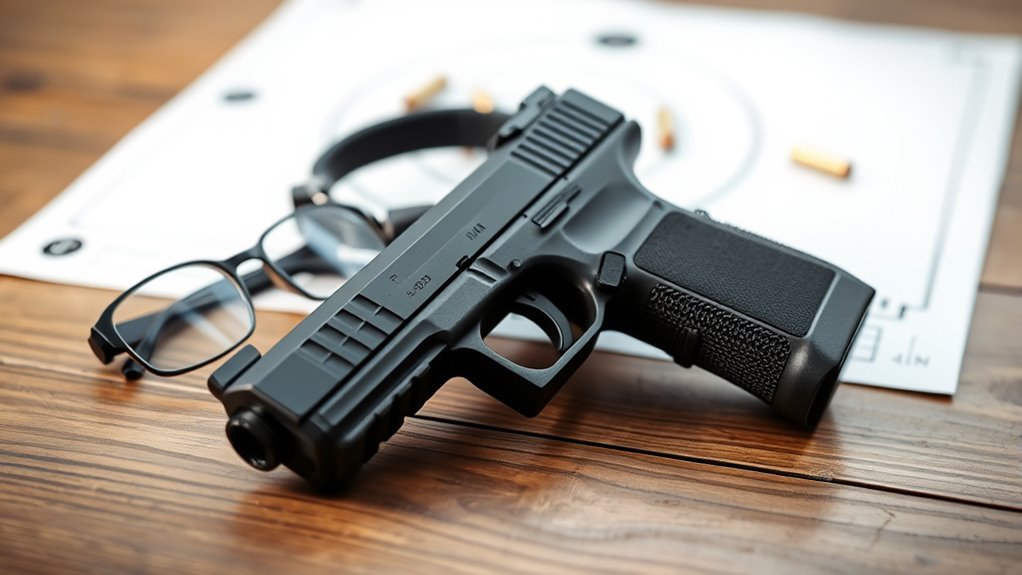
Use proper eye and ear protection to shield yourself from debris and noise, especially in confined spaces. Always follow firearm safety by zeroing your sights and practicing controlled breathing and smooth trigger pulls.
Using proper technique ensures you maintain control and accuracy. This way, you minimize risks while enjoying your AR pistol responsibly and safely.
Conclusion
You might’ve heard AR pistols are just oversized rifles, but that’s not entirely true—they’re designed for maneuverability and legal compliance in specific ways. Knowing this helps you handle them responsibly.
Always treat your AR pistol as if it’s loaded, keep your finger off the trigger until ready, and be aware of your surroundings. These safety habits are key to preventing accidents.
By understanding both how an AR pistol is built and how to shoot safely, you’ll use your AR pistol confidently and responsibly every time. Remember, safe handling isn’t just about the mechanics—it’s about respect for the firearm and the environment around you. Stay informed, stay safe, and enjoy your AR pistol with confidence.