How You Can Safely Dry Fire a Pistol Step by Step
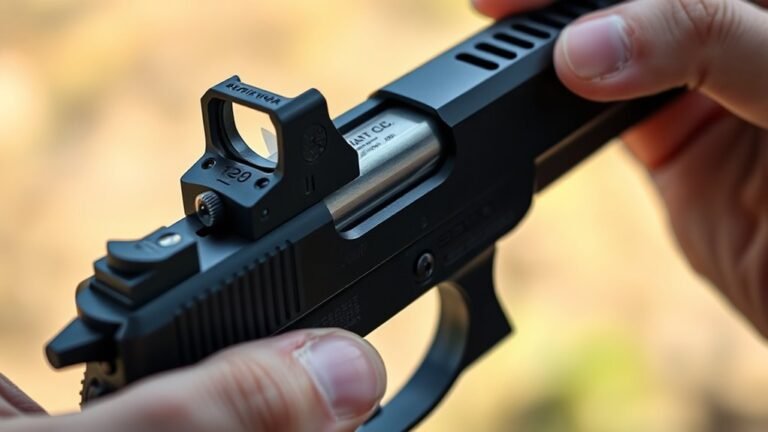
To safely dry fire a pistol, you first need to make sure it’s completely unloaded. That means removing the magazine and checking the chamber visually to be absolutely sure there are no rounds inside.
Next, set up in a distraction-free area with a safe backstop, like a brick wall, where you won’t risk any accidents.
A firm grip is key here—keep your sights aligned and squeeze the trigger smoothly to avoid any jerky movements.
Make sure to fully reset the trigger between each press.
Following these steps carefully will help you build solid skills and a better understanding as you practice dry firing your pistol.
It’s a great way to improve without using live ammo!
Key Takeaways
– Confirm the pistol is completely unloaded by removing the magazine and visually checking the chamber.
It’s super important to double-check so there’s no chance of an accidental discharge.
– Choose a safe, distraction-free area with a secure backstop like a brick wall or Kevlar vest.
This keeps things safe and helps you focus without interruptions.
– Use dummy rounds or snap caps to protect the firing pin, especially with rimfire pistols.
These little tools really help prevent wear and tear during practice.
– Maintain a firm grip, proper sight alignment, and steady aim throughout the dry fire session.
Keeping everything steady makes your practice way more effective.
– Squeeze the trigger smoothly, avoid jerking, and fully reset the trigger before each repetition.
Taking it slow and controlled will build good habits over time.
Prepare Your Firearm and Environment for Safe Dry Fire
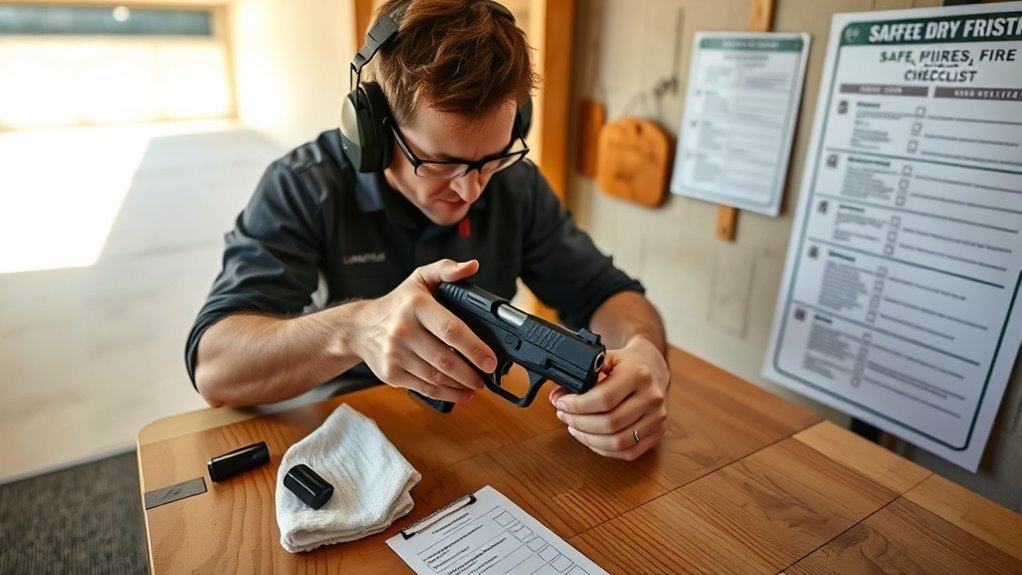
Before you begin dry firing, make sure your firearm is completely unloaded by removing the magazine and visually checking the chamber. This essential firearm inspection guarantees you’re working with an unloaded gun, a core rule of firearm safety.
Always verify your firearm is unloaded by removing the magazine and visually checking the chamber before dry firing.
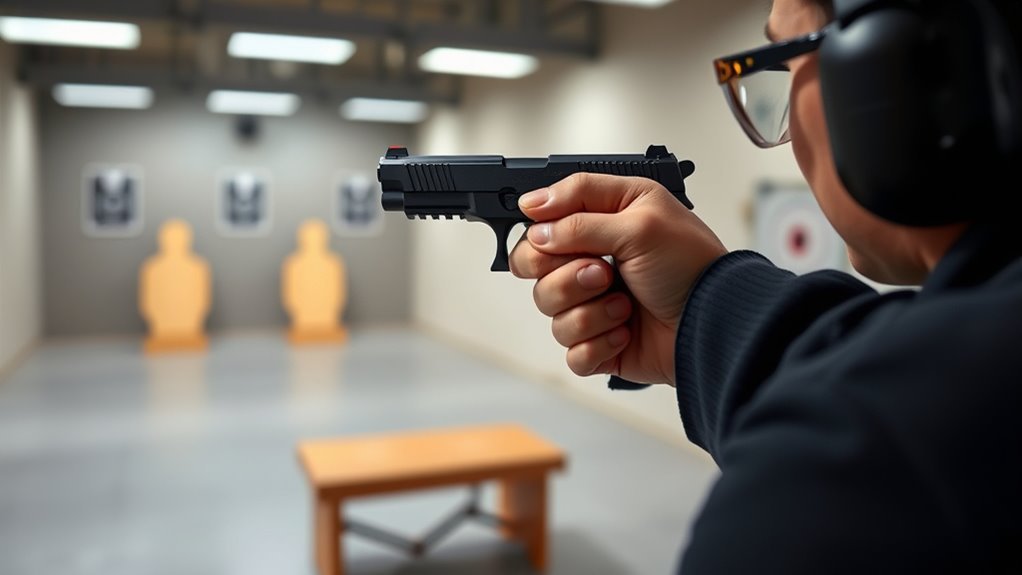
Set up your dry fire practice in a designated practice area free from distractions and live ammunition. Choose a safe environment with a solid backstop, like a brick wall or Kevlar vest, to prevent accidents.
If you have a rimfire pistol, use dummy rounds or snap caps to protect the firing pin during dry firing. Always follow your firearm’s manufacturer guidelines and safety protocols.
Proper handling and preparation ensure your dry fire practice is both safe and effective every time you train. It’s all about staying safe while getting the most out of your practice.
How to Dry Fire a Pistol Safely: Grip, Aim, and Trigger Control
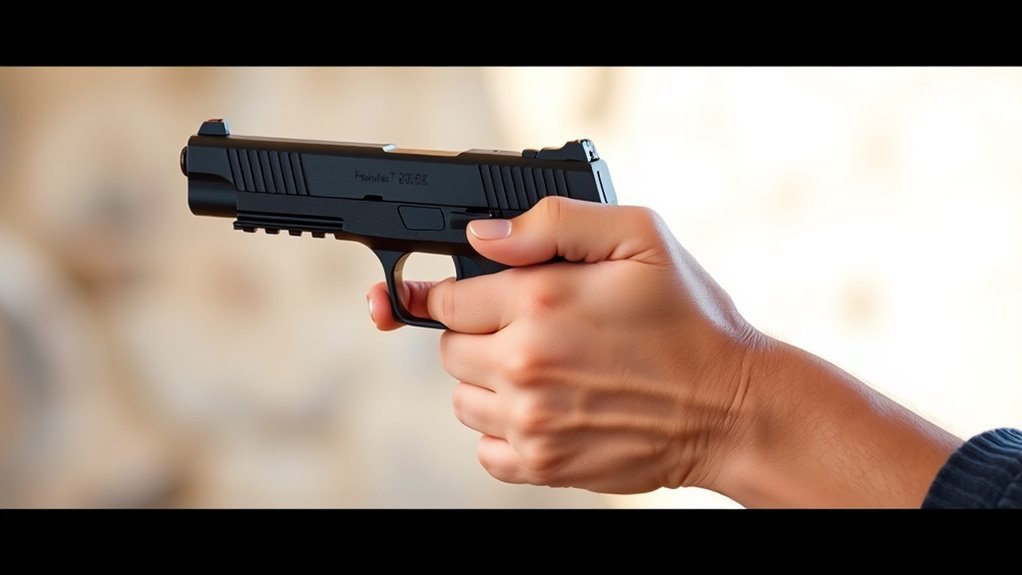
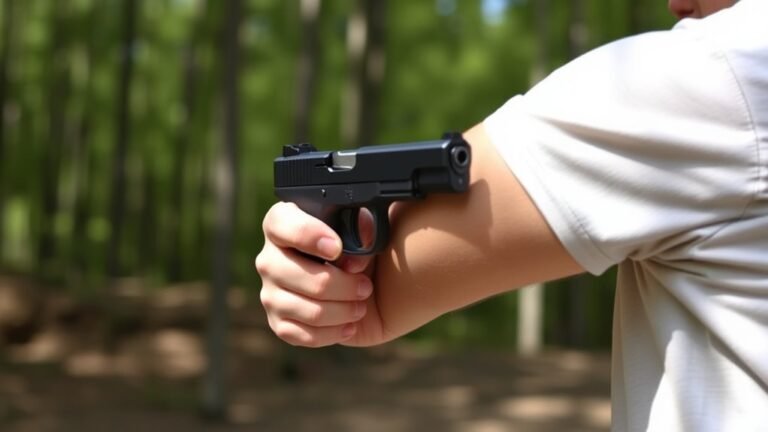
When you dry fire a pistol, maintaining a firm grip is essential to prevent movement and guarantee your shots stay on target. Proper grip ensures consistent firearm handling and enhances dry fire safety.
Next, focus on stable aim with correct sight alignment and sight picture, mirroring live fire standards. Then, practice smooth trigger presses, avoiding jerks that disrupt your aim.
Finally, always reset the trigger fully before the next shot to build trigger control and discipline. Remember these key points:
- Keep a consistent, firm grip to stabilize the pistol
- Aim steadily, maintaining proper sight alignment
- Squeeze the trigger slowly and smoothly without disturbing your sight picture
- Fully reset the trigger between shots to develop control
This approach ensures safe, effective dry fire practice every time.
Frequently Asked Questions
What Is the Best Dry Fire Pistol Training System?
The best dry fire pistol training system combines a SIRT pistol with laser-based tools like MantisX, dummy rounds to protect your firearm, and apps like SG Timer GO, giving you real-time feedback and safe, effective practice every time.
Does Dry Firing Improve Aim?
Dry firing doesn’t use live ammo, yet it sharpens your aim by building muscle memory and improving trigger control. When you practice consistently, you’ll reduce flinching and see real improvements during actual shooting sessions.
What Gear Do You Need for Dry Fire Training?
You’ll need an unloaded pistol, snap caps or dummy rounds to protect the firing pin, a safe backstop, a target for aiming, and optional gear like a flashlight or laser training system to enhance your dry fire practice effectively and safely.
How to Dry Fire Practice With Glock?
Like threading a needle, you’ll slowly squeeze the trigger while keeping your Glock pointed safely downrange. Always confirm it’s unloaded, use snap caps, focus on smooth trigger control, and inspect your pistol after each session.
Conclusion
Dry firing your pistol safely is all about preparation and control. By ensuring your firearm is unloaded and your environment is secure, you reduce risks considerably.
For example, imagine a competitive shooter who practices dry firing daily; their improved trigger control directly boosts their performance in matches.
Remember, consistent, mindful practice helps build muscle memory without live rounds. This makes you a safer, more confident shooter every time you pick up your pistol.
Stay safe and practice smart! Dry fire practice is a valuable training tool that enhances your shooting skills while keeping safety a top priority. Make sure to always check that your pistol is completely unloaded, use snap caps if possible, and choose a secure environment before you begin. This way, dry firing becomes an effective and safe method to improve your technique and boost your confidence on the range.