What Does a Compensator Do for a Pistol?
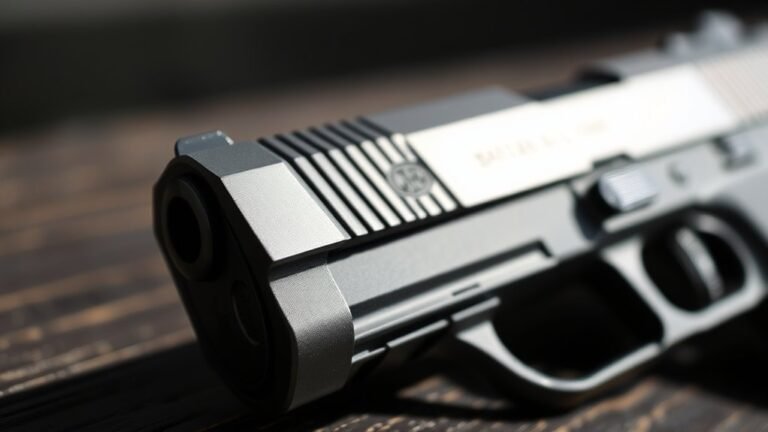
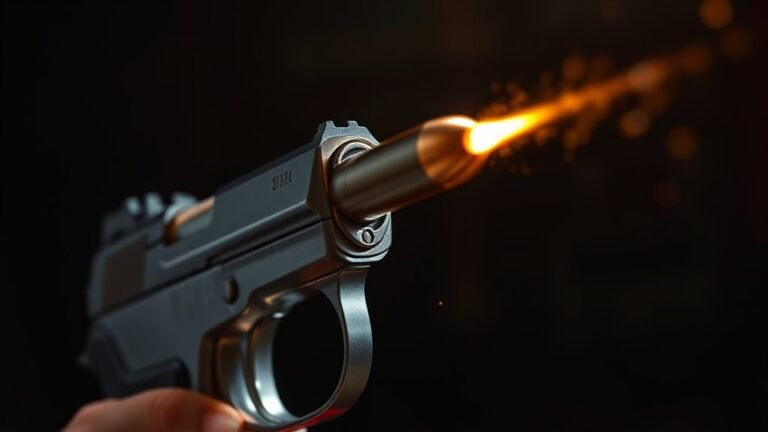
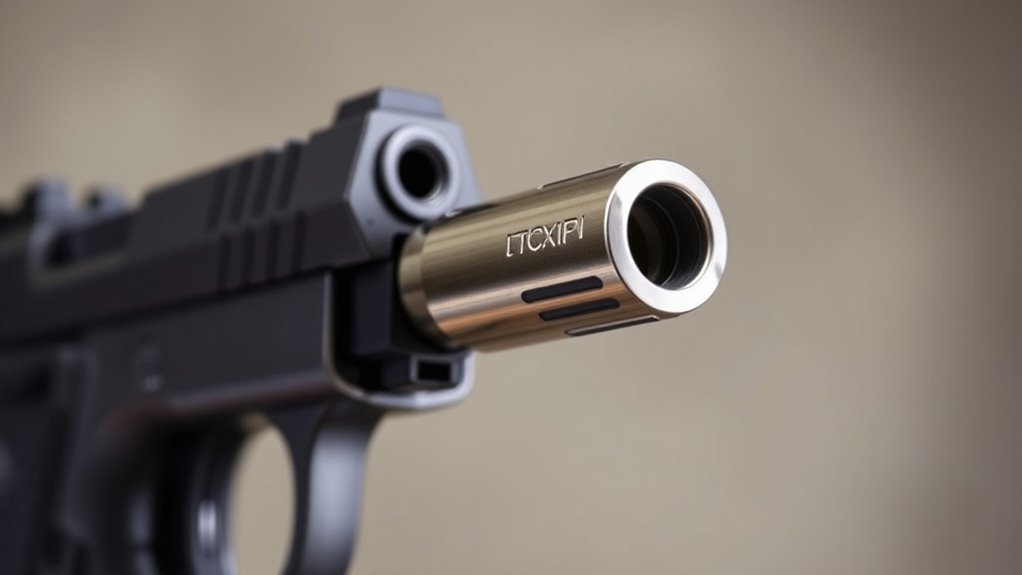
A compensator on your pistol attaches to the muzzle and redirects gases to reduce muzzle rise and recoil. This clever addition helps you stay on target by minimizing barrel flip and felt recoil.
Because of that, you can take faster, more accurate follow-up shots. It also stabilizes your pistol during rapid fire, which improves your overall control and shooting performance.
Now, it’s worth noting that a compensator can increase noise and might require a bit of extra maintenance. But once you understand these trade-offs, it’s easier to decide if a compensator suits your shooting style and needs.
Key Takeaways
- A pistol compensator redirects gases to reduce muzzle rise and felt recoil during shooting. It vents gases upward or outward to counteract muzzle flip and stabilize the barrel.
- This helps you keep better control, making follow-up shots faster and more accurate. So, it really boosts your shooting performance by minimizing recoil and keeping the pistol steady.
- Just keep in mind, compensators can increase noise and muzzle blast. Because of that, hearing protection is a must, and you’ll probably need to clean your pistol more often.
What a Pistol Compensator Is and How It Works
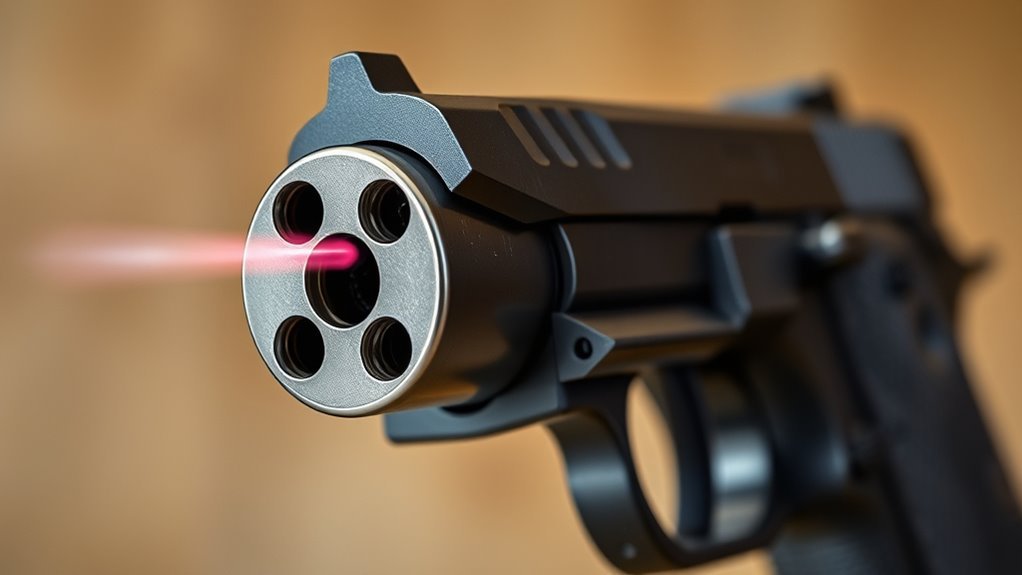
How does a pistol compensator work to improve your shooting? A pistol compensator attaches to the muzzle and redirects gases to reduce muzzle rise and recoil. When you fire, propellant gases exit the barrel quickly, pushing the muzzle upward—a motion called muzzle flip.
A pistol compensator redirects gases at the muzzle to reduce recoil and control muzzle rise.
The compensator vents gases through specially designed ports, directing them upward or outward to counteract this force. By venting gases effectively, it stabilizes the barrel, minimizing muzzle rise and felt recoil.
This recoil reduction helps you maintain control and improves shooting performance, especially during rapid fire. With less muzzle flip, you can stay on target for faster, more accurate follow-up shots.
In short, a pistol compensator manages gas flow to boost your shooting efficiency and control. It’s a simple addition that makes a noticeable difference when you’re on the range or in the field.
Pros and Cons of Using a Pistol Compensator
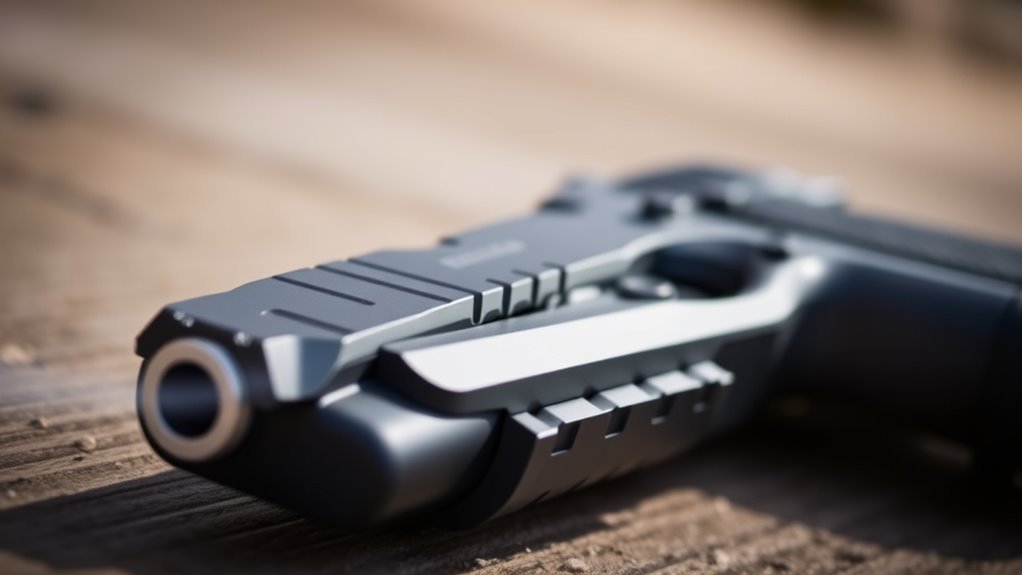
Why consider adding a pistol compensator to your setup? It reduces muzzle rise and felt recoil by up to 40%, which really helps improve shooting control. This means you can get faster follow-up shots with less effort.
That said, muzzle devices do increase noise levels and muzzle blast. This can affect your hearing and even night vision, so it’s something to keep in mind. Plus, expect more carbon buildup, which means you’ll need to clean your pistol more often.
Compensators also add some bulk to your firearm. This can impact holster fit and might make concealed carry less comfortable or more challenging.
| Pros | Cons | Impact |
|---|---|---|
| Recoil reduction | Increased noise | Hearing protection needed |
| Improved control | Bright muzzle blast | Night vision affected |
| Faster follow-ups | Carbon buildup | More cleaning required |
| Enhanced accuracy | Holster fit issues | May limit carry options |
Frequently Asked Questions
Is It Worth Putting a Compensator on a Pistol?
Yes, it’s worth adding a compensator if you want faster, more accurate follow-up shots and better control. Just remember, you’ll deal with increased noise and more cleaning, so weigh those factors before upgrading.
What Are the Downsides of Using a Pistol Compensator?
You’ll face about a 10-15% drop in muzzle velocity with a compensator, plus louder noise, bright gas blasts that ruin night vision, increased cleaning due to carbon buildup, and safety risks from hot gases near your face.
Do Compensators Make Pistols Louder?
Yes, compensators do make pistols louder by redirecting gases upward and outward. You’ll notice increased muzzle blast noise, so it’s smart to wear hearing protection, especially during rapid or extended shooting sessions.
Do 9mm Pistol Compensators Work?
Yes, 9mm pistol compensators work by reducing muzzle rise and felt recoil, letting you shoot faster and more accurately. With proper installation and technique, you’ll notice improved stability, especially during rapid or extended shooting sessions.
Conclusion
Using a pistol compensator is like adding a sail to a boat—it helps you steer your shots more steadily by reducing recoil and muzzle rise. You’ll feel more control, making follow-up shots quicker and more accurate.
However, it might add noise and bulk to your pistol, so weigh the benefits against the downsides.
Ultimately, if you want smoother shooting and better performance, a compensator can be a game-changer for your pistol experience. It reduces recoil, helps control muzzle rise, and improves your overall shooting accuracy. Just keep in mind the added noise and size when deciding if a compensator is right for you. For anyone looking to enhance their pistol shooting, a compensator offers real advantages in control and speed without compromising performance.