How to Understand a Striker Fired Pistol
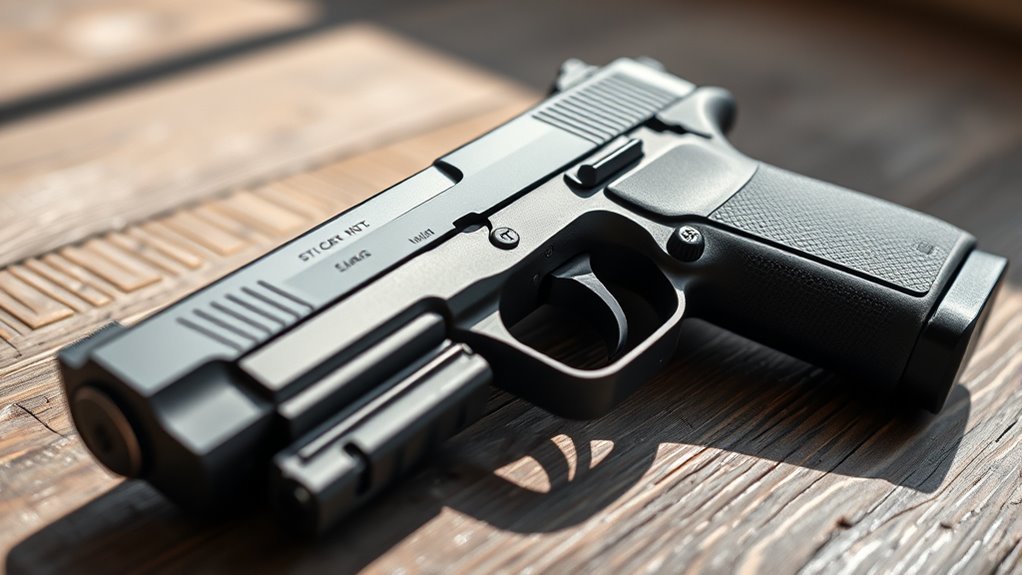
To understand a striker-fired pistol, start with the basics: it uses an internal spring-loaded firing pin instead of an external hammer. When you rack the slide, it partially cocks the striker.
Then, pulling the trigger finishes cocking and releases it to fire.
This design gives you a consistent trigger pull every time. Plus, there are fewer parts to maintain, which means better reliability, especially in dirty or harsh conditions.
Since striker-fired pistols often lack external safeties, practicing careful trigger discipline is super important.
Keep exploring, and you’ll discover even more about the pros and cons of this popular firearm design.
Design and Operation of Striker-Fired Pistols
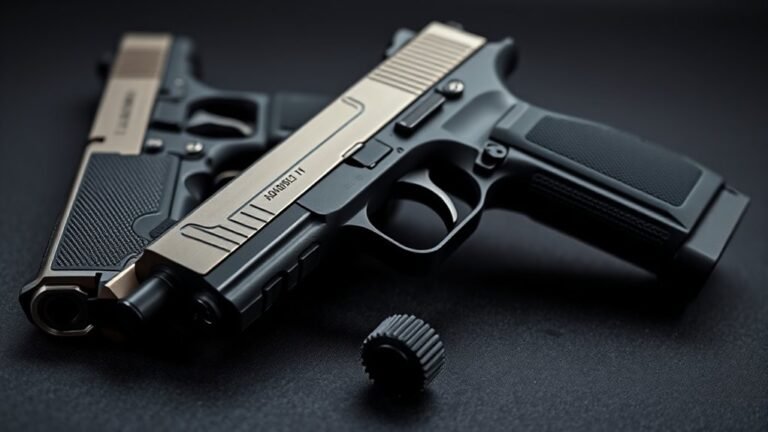
How does a striker-fired pistol work? In striker-fired pistols, the striker acts as a spring-loaded firing pin housed inside the slide, with no external hammer. When you rack the slide, it chambers a round and partially cocks the striker, setting the internal mechanism for firing readiness.
Pulling the trigger completes cocking and releases the striker to hit the primer, firing the round. This design simplifies the internal mechanism by reducing parts, making maintenance easier and boosting reliability.
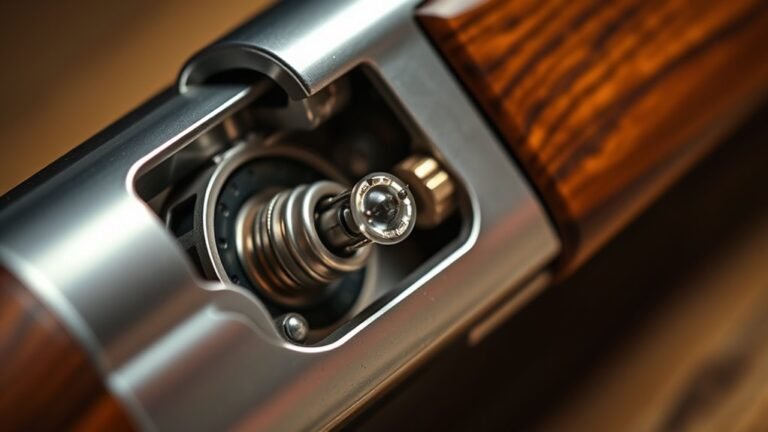
The sealed action chamber protects the striker and firing pin from dirt and debris, enhancing safety and durability. Because the striker is partially cocked and ready, you benefit from a consistent trigger pull, which many shooters find improves accuracy and control.
Pros and Cons of Striker-Fired Handguns
Striker-fired pistols simplify operation by offering a consistent, lighter trigger pull that many shooters appreciate for improving accuracy and speed. Without external safeties or hammers, you’ll find slide racking and firing mechanism engagement straightforward, enhancing reliability and reducing maintenance.
The sealed striker protects internal parts from dirt, which keeps your pistol dependable in varied conditions. However, the trigger feel can sometimes seem spongy, lacking the crispness of single-action triggers. This might affect precision for some shooters.
Since striker-fired pistols rely heavily on trigger discipline for safety, you need to stay vigilant, especially without manual safeties. On the plus side, the quick and tactile trigger reset allows for faster follow-up shots.
Conclusion
Now that you understand how striker-fired pistols work, you’re better equipped to choose the right handgun for your needs. Like a well-oiled musketeer’s flintlock, these pistols combine simplicity and reliability in a modern package.
While they have pros and cons, their consistent trigger pull and ease of use make them a favorite for many. Trust your instincts, weigh your options, and you’ll find a striker-fired pistol that fits your style perfectly.
Striker-fired pistols are popular because they offer a smooth trigger pull and require less manual manipulation than traditional hammer-fired guns. This makes them especially appealing for both beginners and experienced shooters who want a dependable, easy-to-maintain handgun.
In the end, understanding how a striker-fired pistol operates helps you appreciate its design and functionality. So, whether you’re looking for self-defense, target shooting, or concealed carry, a striker-fired pistol can be a smart choice that aligns with your needs and preferences.