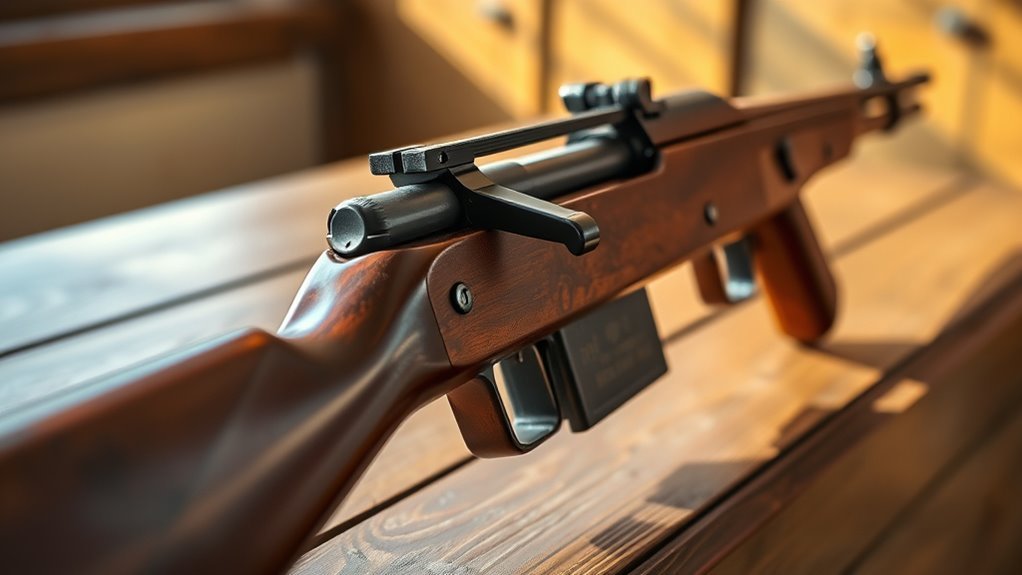
What Is a Battle Rifle and How Do You Identify It?
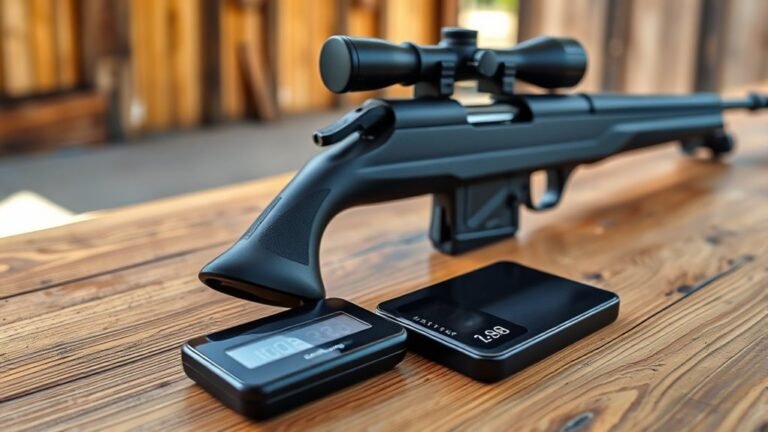
You’ll recognize a battle rifle by its use of full-power cartridges like 7.62×51mm NATO, which pack a serious punch. These rifles have a heavy and durable build that can withstand tough conditions, plus a longer barrel designed for long-range accuracy.
They usually feature a detachable box magazine holding 20 or more rounds, making reloading quicker and easier. You might also notice military markings or bayonet lugs, which hint at their combat origins.
Battle rifles are designed for stopping power and reliability, excelling in demanding combat situations. When you understand their history and specific features, it’s clear why these rifles remain highly valued by both military forces and civilian marksmen alike.
Defining Characteristics and Historical Evolution
Although battle rifles have evolved over decades, you can identify them by their use of full-power cartridges like the 7.62 NATO or .308 Winchester. These cartridges are designed for long-range accuracy and firepower.
Battle rifles typically feature semi-automatic or select-fire capabilities and use detachable magazines to support sustained fire. Unlike intermediate cartridges found in assault rifles, these full-power rifles prioritize range and stopping power.
Battle rifles combine semi-automatic or select-fire modes with detachable magazines for enhanced range and stopping power.
Their history dates back to WWII and the post-war period, with iconic models like the M14, G3, and FN FAL shaping their development. Since then, battle rifles have served as standard issue in both military and civilian contexts.
They’ve evolved from early semi-automatic designs to modern firearms with modular components. You’ll find they balance durability, precision, and firepower for a variety of uses.
Identifying Features and Practical Applications
When you examine a battle rifle, you’ll notice its robust construction and longer barrel designed to handle powerful cartridges like the 7.62×51mm NATO. These full-power cartridges provide long-range accuracy and greater effective range compared to assault rifles using intermediate cartridges.
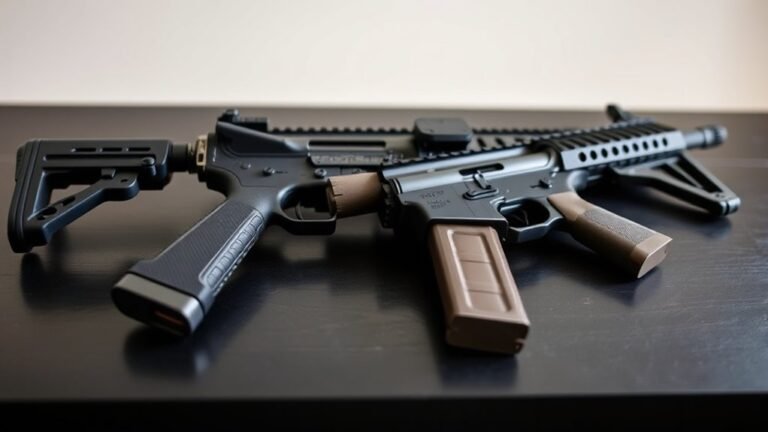
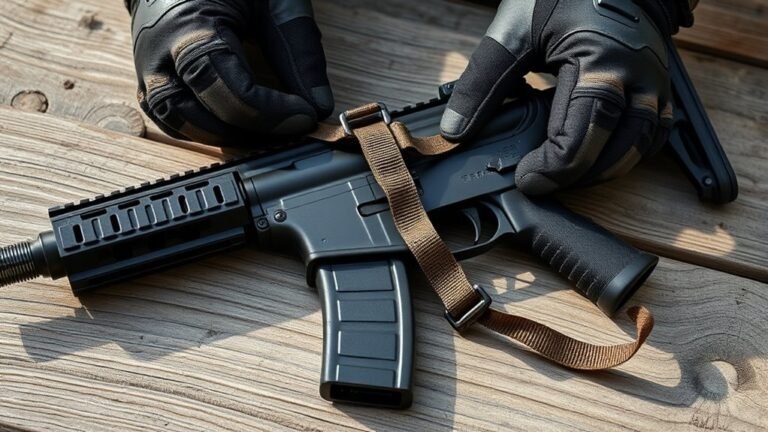
Key identifying features include heavy construction, detachable box magazines typically holding 20 rounds or more, and sometimes distinctive military markings or a bayonet lug. You can spot a battle rifle by checking its caliber and magazine style, as well as its rugged design meant for durability in combat.
Practically, these rifles serve well in roles requiring reliable long-range firepower and stopping power. Understanding these features helps you distinguish a battle rifle from lighter, shorter-barreled weapons designed for close quarters.
Conclusion
Now that you know what makes a battle rifle bold and battle-ready, you can easily identify its distinctive design and deadly power. These firearms fuse fierce firepower with formidable functionality, making them favorites for frontline fighters.
By spotting their sturdy structure, substantial caliber, and historical heritage, you’ll better appreciate their role in rugged real-world combat. Keep this knowledge close, and you’ll confidently classify these classic combat champions wherever they appear.
Understanding a battle rifle means recognizing its unique features like powerful cartridges and robust build tailored for intense battlefield conditions. When you see a rifle combining durability with substantial stopping power, you’re likely looking at a true battle rifle.
So next time you encounter these iconic guns, you’ll know exactly what sets battle rifles apart from other firearms. This insight not only helps you identify them but also deepens your appreciation for their crucial role in military history and combat effectiveness.