What Is a Compensator on a Pistol and How to Install It
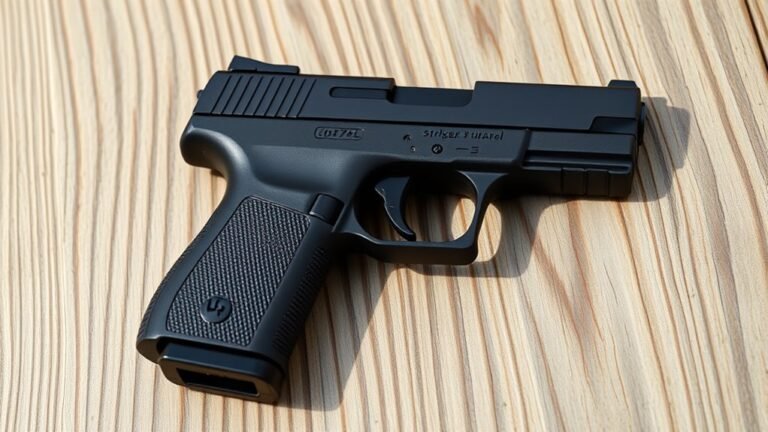
A compensator on your pistol is a device that redirects gas upward to reduce muzzle rise and recoil. This helps you stay on target faster during follow-up shots, improving your shooting accuracy and control.
If you’re looking to enhance your pistol’s performance, understanding how to install a compensator is a great place to start.
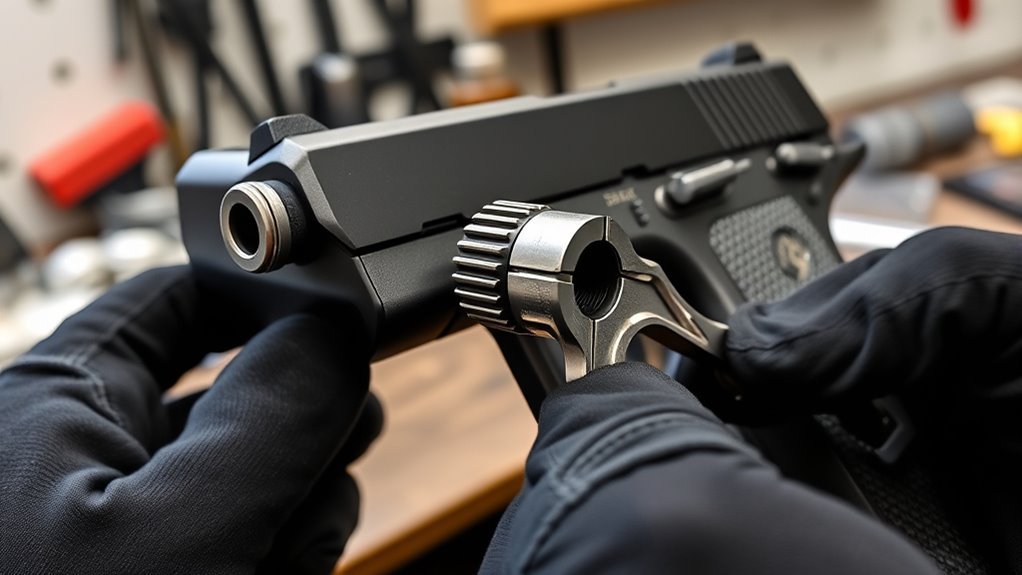
To install it, first make sure your pistol is completely unloaded. Check that the compensator’s threads match your barrel before screwing it on by hand.
Then, apply a high-temp thread locker to keep it secure.
Next, tighten the compensator with a wrench to about 8+ ft/lbs. Make sure it’s properly aligned so it works effectively.
Follow these steps closely, and you’ll quickly notice better control and accuracy as you explore more details.
Installing a compensator is easier than you might think!
Understanding the Function of a Pistol Compensator
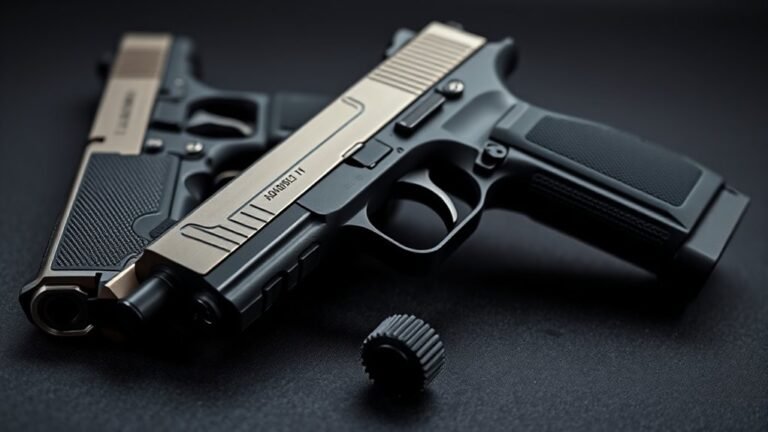
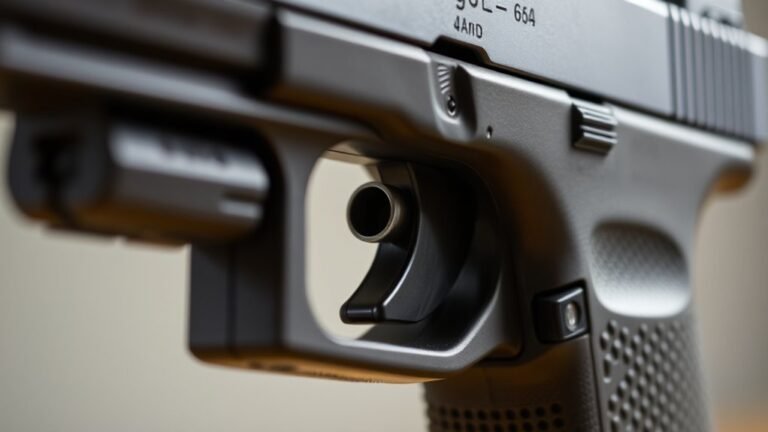
When you attach a compensator to your pistol’s threaded barrel, it redirects gases upward or sideways to counteract muzzle rise. This ported pistol barrel vents gas through precisely placed ports, creating a force that pushes the muzzle down, helping reduce muzzle flip.
By venting gas effectively, the compensator improves recoil management, making rapid fire more controllable and accurate. The compensator screws onto barrel threads, so proper alignment is essential for peak performance.
This recoil reduction happens as the expelled gases push against the compensator’s ports, stabilizing your shots. With the right compensator design and installation, you’ll notice less felt recoil and better muzzle control.
That means you can stay on target faster and with greater precision during follow-up shots. It really helps when you want to keep your shots quick and steady.
Step-by-Step Guide to Installing a Pistol Compensator
Attaching a compensator properly guarantees you get the full benefit of reduced muzzle rise and improved recoil control. Start by ensuring your pistol is unloaded and the threaded barrel is clean, free of debris.
Properly attaching a compensator ensures maximum muzzle rise reduction and better recoil control.
Make sure the compensator’s thread diameter and pitch match your barrel’s specifications to avoid any damage. It’s super important to get this right!
Apply a high-temperature thread locker like Loctite 272 to the compensator’s threads for a secure attachment. Then, screw the compensator onto the barrel by hand at first.
Once it’s hand-tight, use a wrench to torque it to the manufacturer’s recommended setting, which is typically around 8+ ft/lbs. After that, double-check the compensator’s alignment with the slide to ensure everything functions properly.
If it’s not aligned, just unscrew it and realign carefully. Lastly, make sure to let the thread locker cure fully before firing. This will keep everything secure and safe while you shoot.
Conclusion
Now that you’ve explored what a compensator does and how to install it, you’re well on your way to a smoother shooting experience. While it won’t turn your pistol into a magic wand, it gently tames recoil and muzzle rise, making each shot feel a bit more graceful.
Installing one is like giving your firearm a subtle upgrade—quietly enhancing control without shouting for attention. Enjoy the refined balance it brings to your shooting.
A compensator on a pistol reduces recoil and muzzle climb by redirecting gases, which helps keep your shots more accurate and controlled. Installing it correctly is key to getting the most out of this upgrade.
So, whether you’re a casual shooter or a competitive marksman, adding a compensator can significantly improve your shooting performance and comfort. Give it a try and feel the difference in every shot!