How Are Pistol Bores Different From Shotgun Bores?
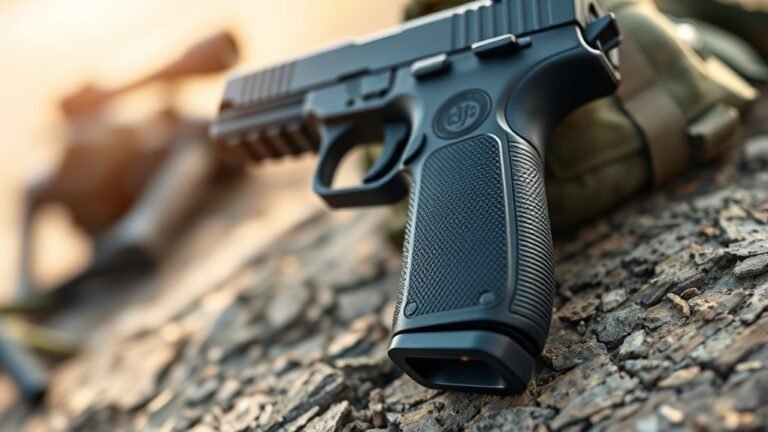
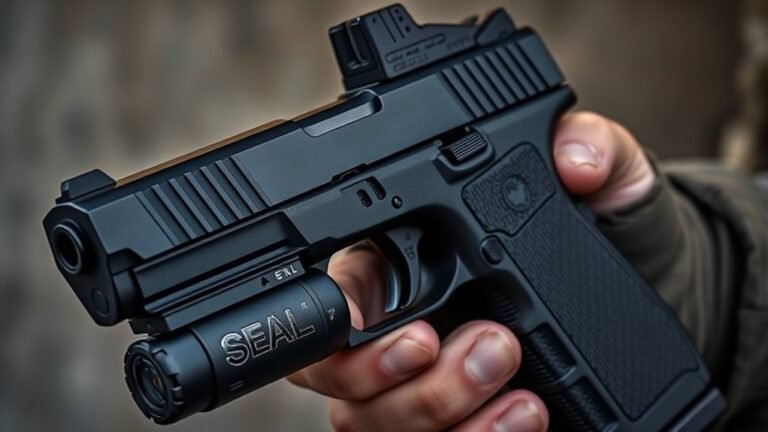
You’ll notice pistol bores are rifled, meaning they have spiral grooves inside that make bullets spin for better accuracy. This rifling is crucial because it stabilizes the bullet during flight, helping you hit precise targets consistently.
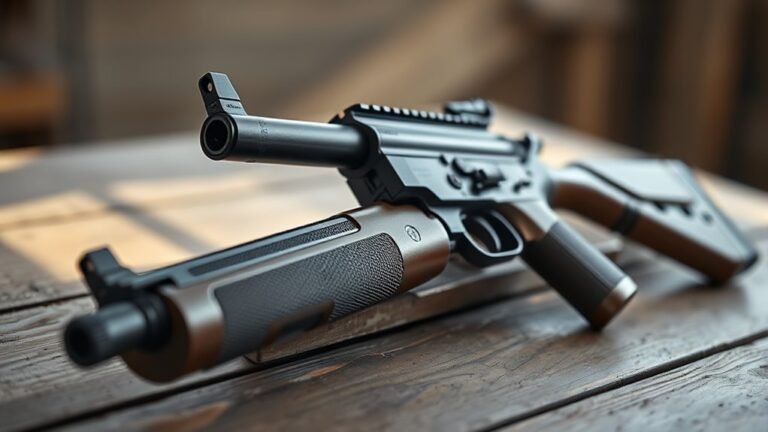
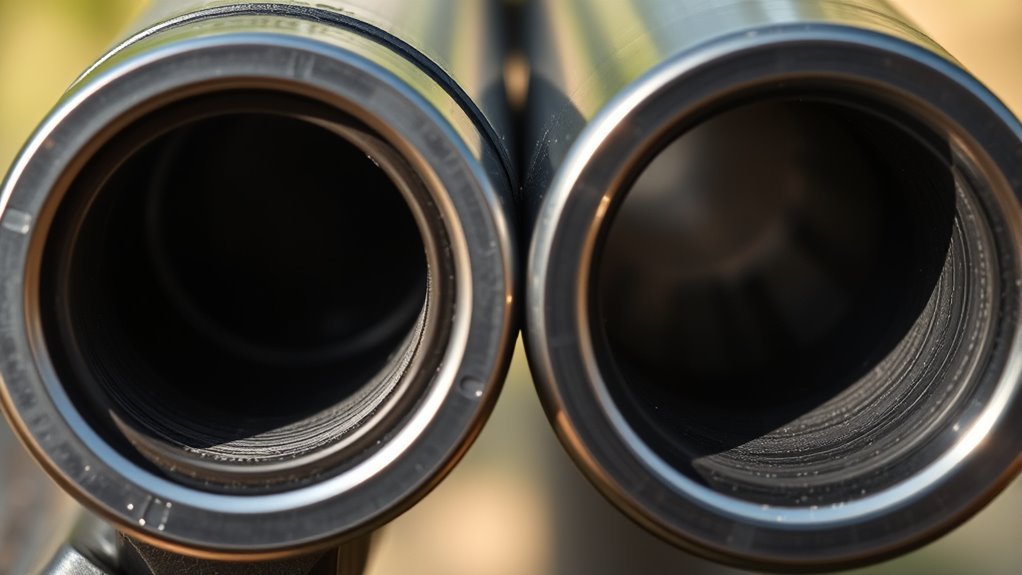
Shotgun bores, on the other hand, are smooth. This smooth bore allows multiple pellets or slugs to spread out widely when fired. So instead of pinpoint accuracy, shotguns cover a broader area, which is great for hitting moving targets or targets at close range.
This difference affects how each firearm performs—pistols aim for precision with single projectiles, while shotguns are designed for spreading firepower.
If you want to understand how these structural differences translate into real-world use and handling, keep exploring what sets them apart.
Differences in Bore Design and Barrel Structure
Although both pistols and shotguns serve as firearms, their bore designs and barrel structures differ considerably to fulfill distinct purposes. You’ll notice pistol bores feature rifled barrels with spiral grooves inside, which make bullets spin for improved accuracy.
In contrast, shotgun barrels have smooth bores lacking rifling, allowing pellets to spread widely. The bore diameter also varies: pistols use calibers like 9mm, while shotguns are measured by gauge, where larger gauges mean smaller bores.
Barrel length plays a role too—pistol barrels are shorter for compact, precise shots, whereas shotgun barrels are longer to aid sighting and create wider shot patterns. This bore design and bore structure distinction between rifled pistols and smooth-bore shotguns fundamentally shapes their performance and handling.
Functional and Practical Implications of Bore Types
When you choose between a pistol and a shotgun, the bore type directly affects how each firearm performs in practical situations. Rifled bores in pistols feature spiral grooves that stabilize a single projectile, boosting accuracy and projectile stability for precise shots.
Their shorter barrel length enhances maneuverability, fitting the firearm purpose of targeted shooting.
In contrast, shotguns use smooth bores that allow multiple pellets to spread, creating a broader shot spread ideal for hunting or clay shooting. The longer barrel length aids sighting and controlling shot dispersal.
Plus, chokes at the muzzle adjust this spread further—a feature pistols lack.
Ultimately, the bore design shapes how you use each firearm: pistols for accuracy and shotguns for wide, effective coverage.
Conclusion
Now that you know how pistol bores and shotgun bores differ in design and function, you might think their roles are straightforward. But here’s the twist: these differences don’t just affect performance—they shape how you handle, aim, and even maintain your firearm.
So, next time you pick one up, remember—understanding the bore’s secrets could be the key to mastering your shooting experience in ways you never expected. Knowing the unique characteristics of pistol bores versus shotgun bores can improve your accuracy and safety.
Plus, it helps you choose the right firearm for your needs and maintain it properly for longevity. In short, appreciating these bore differences is essential for anyone serious about shooting and firearm care.