Which Part of a Pistol Ejects the Spent Case?
When you fire a pistol, the slide moves backward to start ejecting the spent case. The extractor hooks onto the case’s rim, pulling it out of the chamber as the slide retracts.
Then, the ejector pushes the empty case out through the ejection port to clear the way for the next round. These parts work closely to guarantee smooth cycling and prevent jams.
Keep exploring, and you’ll understand how different factors affect ejection patterns.
Understanding how a pistol ejects the spent case helps improve your shooting skills and maintenance knowledge.
Understanding the Ejection Mechanism in Pistols
When you fire a pistol, the slide moves backward to start the ejection process, which is essential for clearing spent cases. The slide’s rearward movement engages the extractor, which grips the rim of the spent case firmly inside the chamber.
As the slide continues moving back, the ejector pushes the spent case out through the ejection port. This ejection mechanism guarantees the firearm clears the spent case quickly and reliably after the firing pin strikes the primer.
Without the slide, extractor, and ejector working in sync, the pistol could jam, disrupting rapid firing. So, the slide not only houses the firing pin but also plays a critical role in ejecting the spent case.
This prepares the chamber for the next round seamlessly and keeps your pistol functioning smoothly. It’s pretty neat how all these parts work together, right?
Factors Influencing Spent Case Ejection Patterns
The way your pistol ejects spent cases depends on several factors beyond just the slide, extractor, and ejector working together. The ejection port’s location and design play a big role in shaping the ejection pattern and direction of spent cases ejected from the firearm.
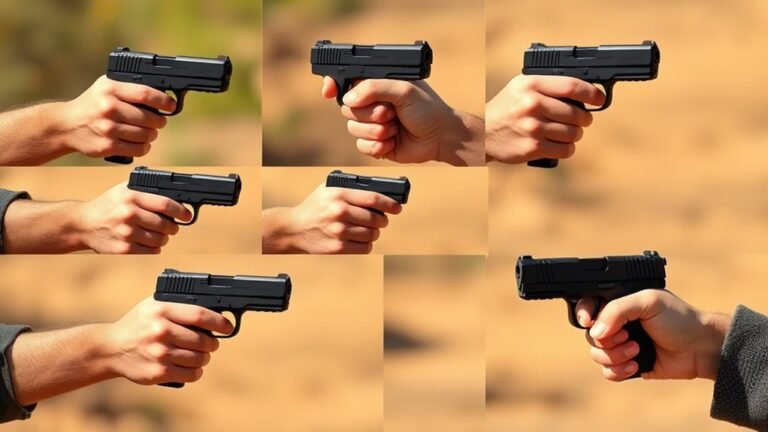
Your firing position and ejection angle influence how far and where cases land. Meanwhile, firearm condition, especially recoil spring tension, affects ejection velocity and trajectory.
Here’s a quick overview:
| Factor | Impact on Spent Cases | Notes |
|---|---|---|
| Ejection Port | Controls ejection direction | Side vs. top affects lateral spread |
| Firing Position | Alters ejection angle & distance | Canted vs. traditional stance |
| Firearm Condition | Modifies velocity & pattern | Worn springs change ejection velocity |
Understanding these helps you predict and control where spent cases end up.
Conclusion
When you fire a pistol, the ejector is the unsung hero that kicks the spent case out, clearing the path for the next round. Without it, your gun would jam like a song stuck on repeat.
Remember, understanding this small but mighty part helps you appreciate how smoothly your pistol works, turning chaos into rhythm with every shot. Keep this in mind, and you’ll handle your firearm with greater confidence and care.
Knowing which part of a pistol ejects the spent case is key to mastering your firearm. The ejector plays a crucial role in ensuring your pistol functions reliably by removing the spent cartridge after each shot. This simple mechanism prevents jams and keeps your shooting experience smooth and safe. So, next time you’re handling your pistol, remember the ejector’s important job — it’s what keeps your gun running smoothly and ready for the next shot.